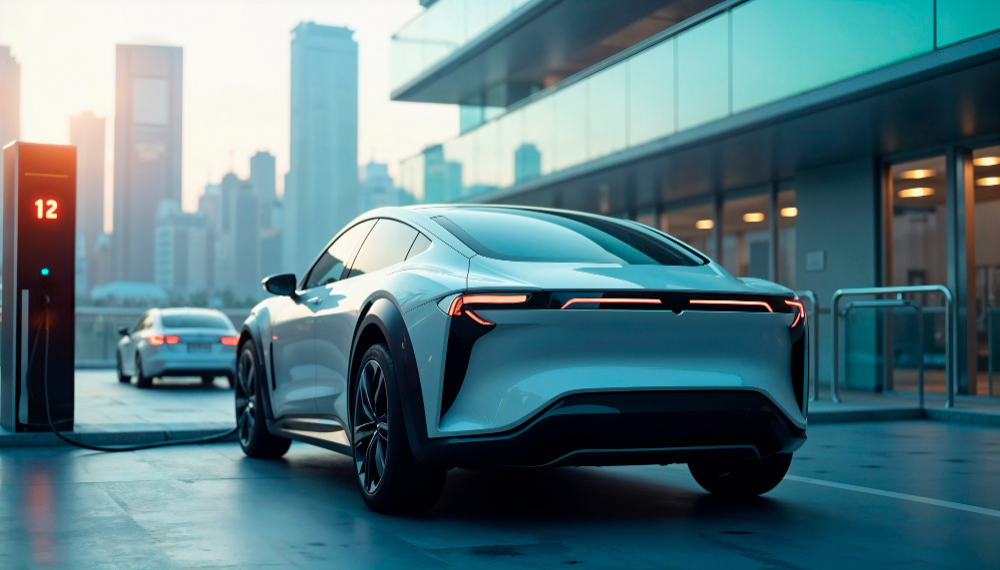
Cybercab’s Inductive Charging Advantage: Why Wireless Power Unlocks True 24/7 Fleet Uptime
Tesla’s Cybercab isn’t just autonomous—its built-in inductive (wireless) charging capability is a hidden powerhouse that enables true 24/7 robotaxi operations. By eliminating plugs, cables, and manual intervention, this technology allows vehicles to recharge automatically during brief stops at dedicated hubs, slashing turnaround time and boosting daily mileage far beyond plug-in EVs. As production nears in April 2026, inductive charging positions Cybercab fleets for unmatched efficiency in high-utilization environments. At Auto Auto, we integrate this advantage into our Cybercab management services for fleets that stay active and profitable. Visit our home page for guidance on wireless-optimized fleet setups.
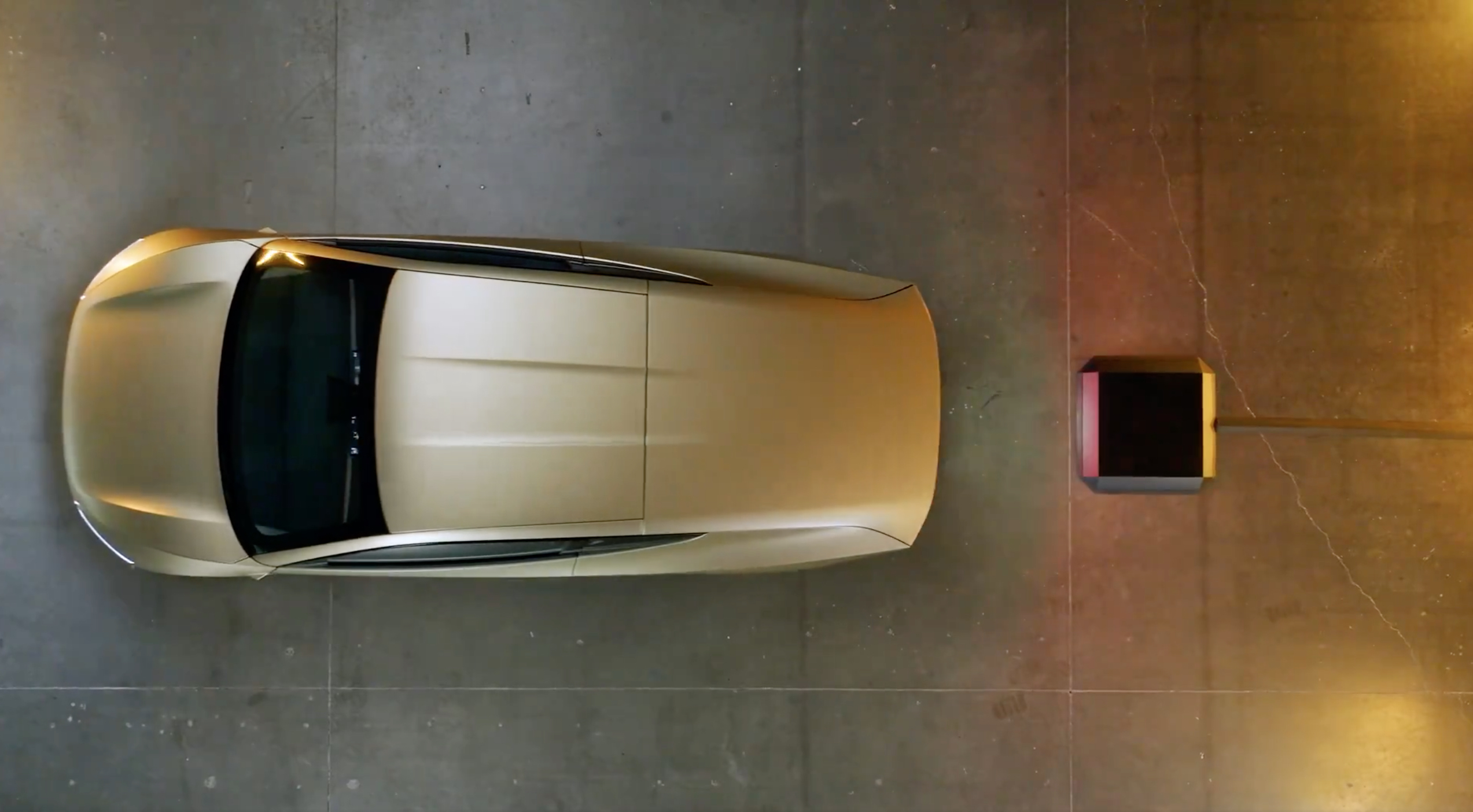
Inductive charging works via electromagnetic induction: a ground pad generates a magnetic field that transfers energy to a receiver coil under the Cybercab, achieving efficiencies “well above 90%” per Tesla’s Robotaxi event claims. No physical connection means no wear on ports, no alignment hassles for drivers (irrelevant in autonomy), and no exposure to weather or vandalism. For fleet managers, this translates to automated “opportunity charging”—vehicles park over pads during short downtimes (cleaning, waiting for rides), adding meaningful range without dedicated long-charge sessions. In urban robotaxi ops, where vehicles might return to hubs every few hours, this keeps utilization at 80-90%+, generating more revenue per vehicle.

Compared to plug-in charging (even Tesla Superchargers), inductive eliminates labor and infrastructure friction. Robots or automated arms aren’t needed to plug/unplug—vehicles simply position precisely using FSD vision and park. Tesla’s demos showed pads with alignment tolerance, and the system handles minor misalignments via coil design. Power levels (estimated 10-25 kW based on prototypes and Cybertruck wireless tech) support fast enough top-ups for short-trip cycles: add 50-100 miles in 30-60 minutes of idle time. This minimizes “dead time” and maximizes revenue miles, especially in dense markets where hubs can be placed near high-demand zones.
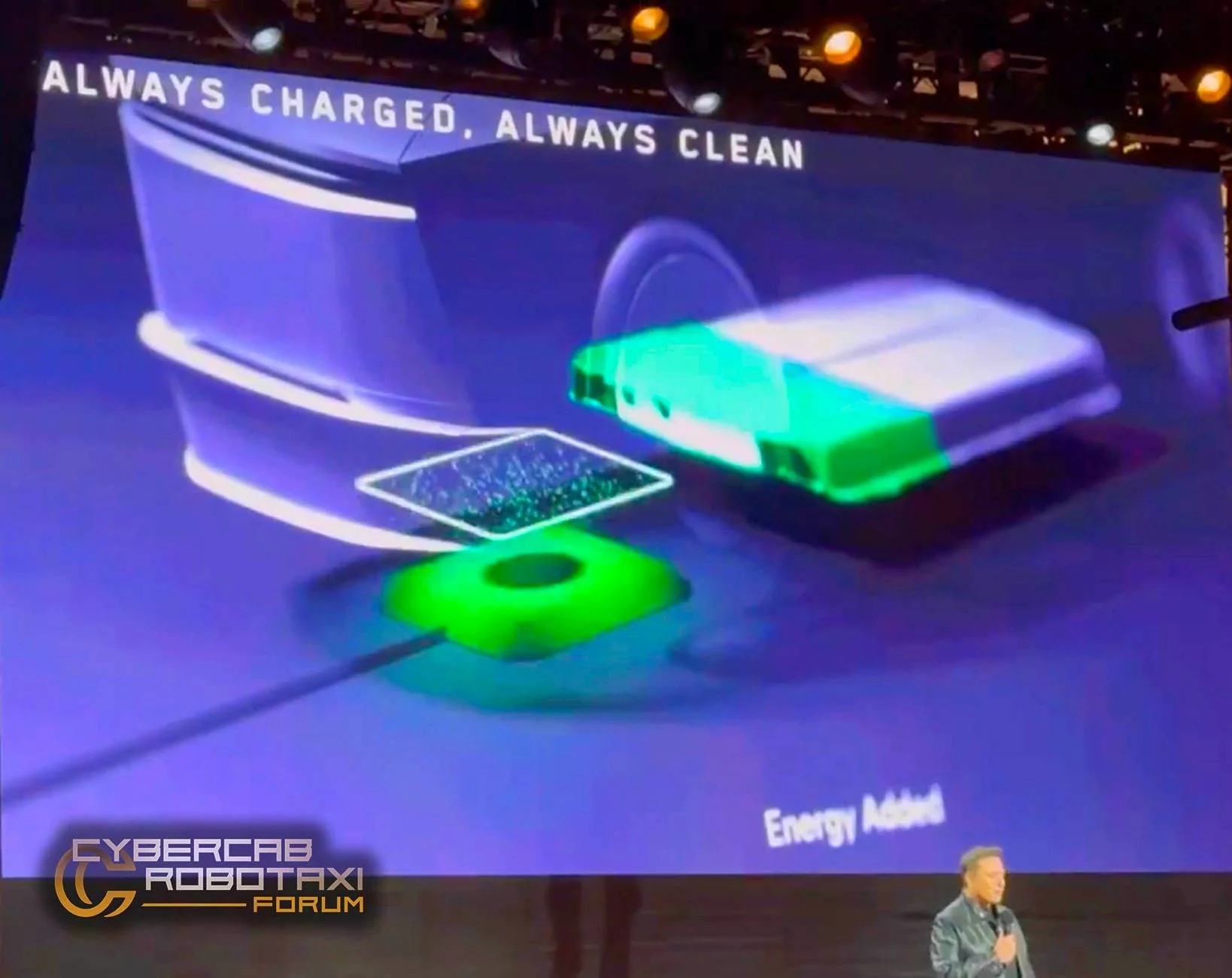
Fleet depot efficiency skyrockets. Traditional EV fleets require bays with cables, staff for plugging, and downtime for connection. Inductive hubs allow drive-in/drive-out flow: vehicles enter, align over pads, charge while automated cleaning occurs (as teased in event visuals), then exit for the next ride. This supports high-turnover ops—critical for robotaxi economics aiming for $0.20/mile costs. Reduced mechanical wear (no port stress) lowers maintenance, and weatherproof pads handle rain/snow better than exposed plugs. For operators in Wendell-area or similar climates, this means reliable year-round performance without seasonal charging disruptions.

Cost and scalability benefits compound at fleet scale. Lower capex for hubs (pads are simpler than cable management), reduced energy loss vs. wired systems, and OTA optimizations for efficiency make inductive a long-term winner. Tesla’s vertical integration (in-house coils, power electronics) ensures cost-down as volumes grow post-2026 ramp. Competitors like Waymo rely on plugs or slower wireless—Cybercab’s native integration gives it an edge in uptime and margins.

Challenges include initial alignment precision (mitigated by FSD) and pad installation costs—solved by hub-focused scaling in high-density areas. Overall, inductive charging unlocks the “always charged, always clean” vision: vehicles recharge passively, stay operational longer, and deliver consistent service. This is why Cybercab will dominate robotaxi operations—true autonomy needs true seamless energy.
Ready to build fleets around this advantage? Head to the Auto Auto home page for inductive-optimized Cybercab management. For Tesla’s latest, visit Tesla Robotaxi.
Related topics: Cybercab management, Tesla Cybercab fleet management, inductive wireless charging robotaxi, autonomous vehicle uptime, Tesla robotaxi operations efficiency