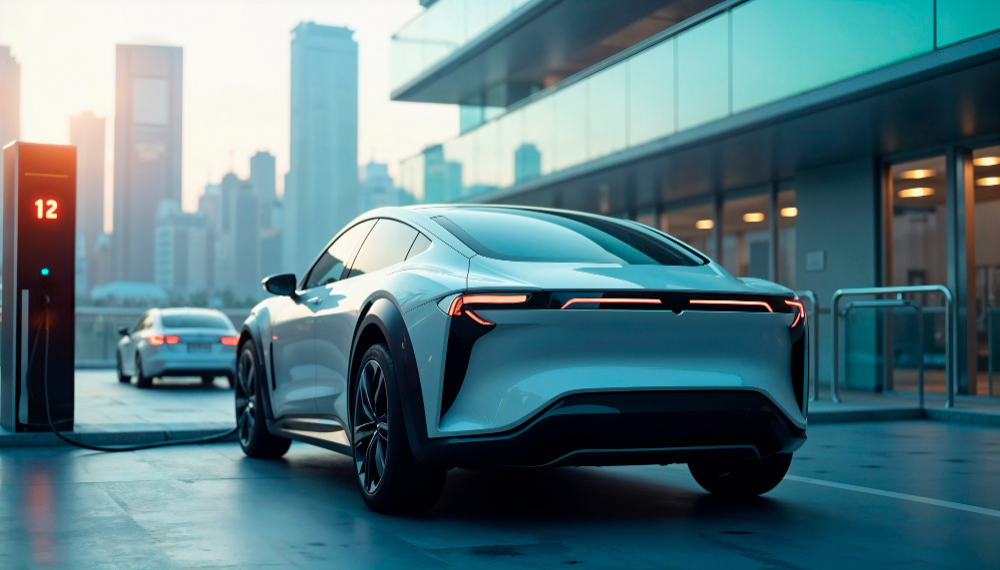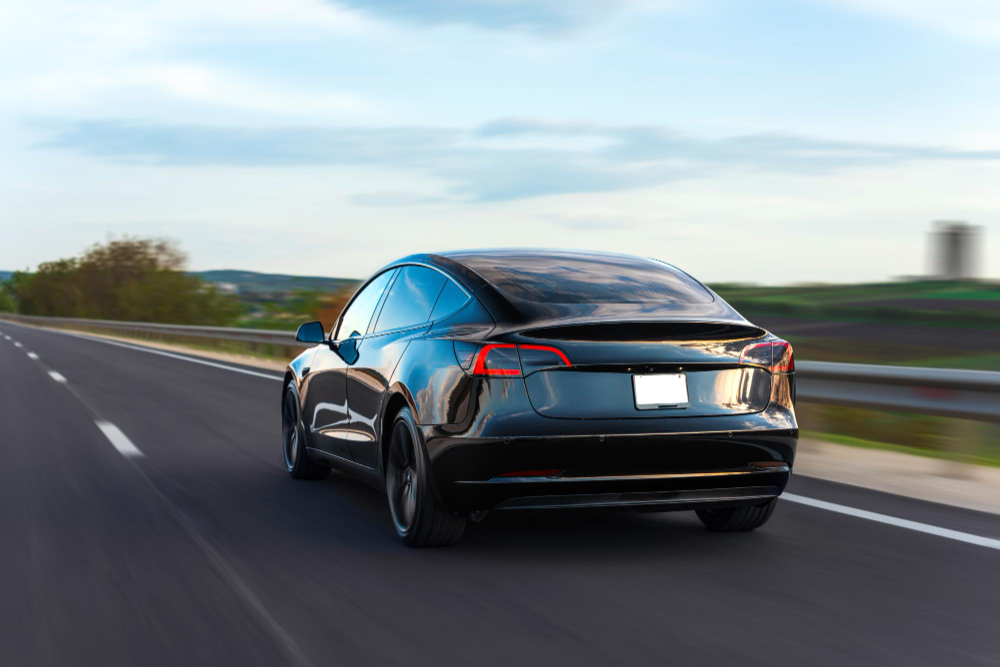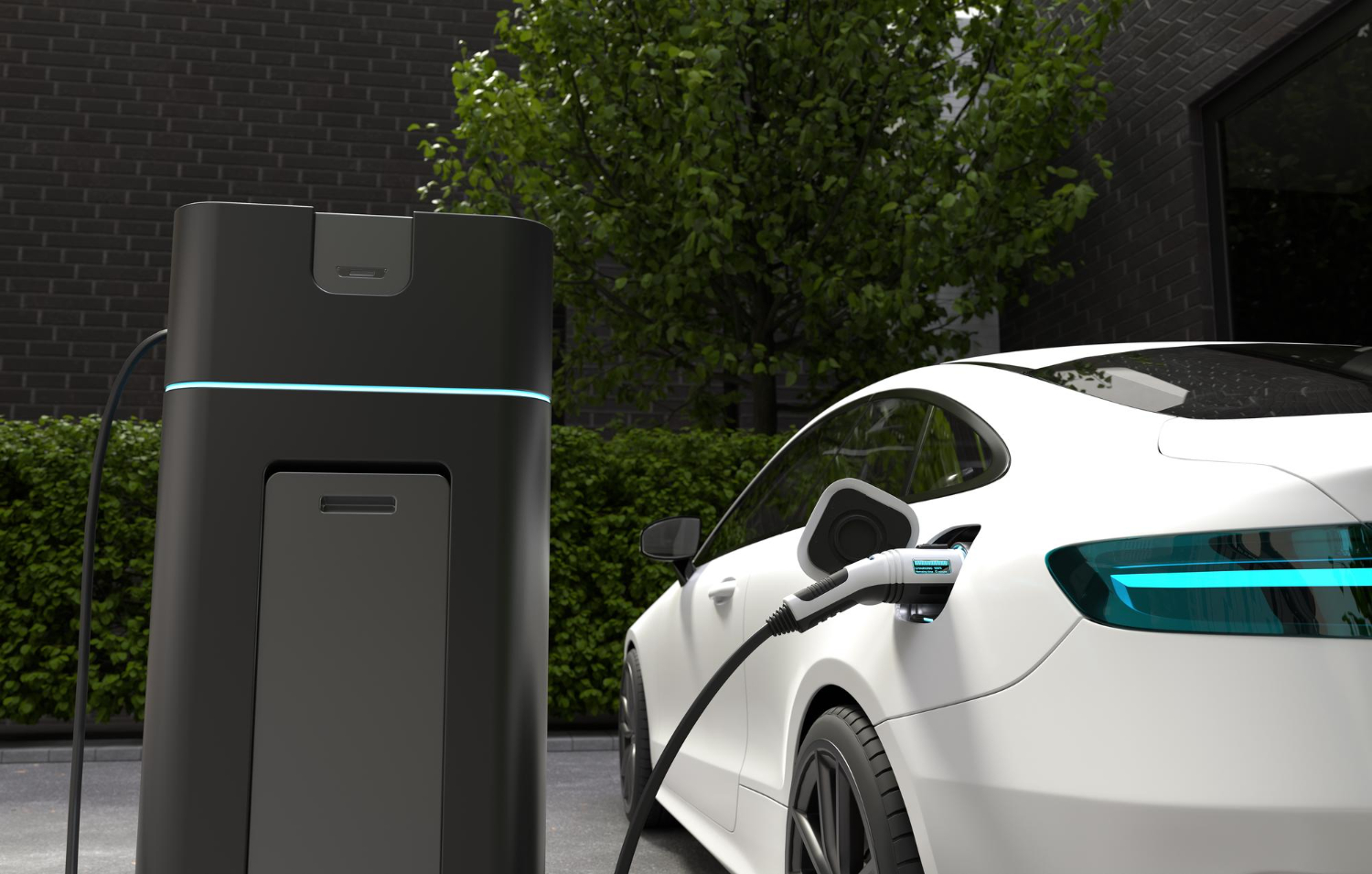
Tesla’s Cybercab and Waymo’s autonomous robotaxis represent two fundamentally different approaches to conquering the same market. As fleet operators and investors evaluate where to place their bets, understanding these competitive dynamics matters more than ever.

The Market Reality: Scale and Operational Maturity
Waymo currently operates approximately 4,000 autonomous vehicles across 14 U.S. metropolitan areas. That fleet completed roughly 500,000 paid public rides weekly as of September 2026, with autonomous vehicles logging 4 million miles per week. The company achieves disengagement rates significantly lower than Tesla’s pilot program, meaning human safety drivers rarely need to take control.
Tesla’s Cybercab deployment, by contrast, consists of approximately 45 vehicles in limited geofenced areas of Austin, Texas. That’s roughly a 20-to-1 disadvantage in current fleet size. While Tesla manufactures Cybercabs at Giga Texas, the vehicle faces a federal NHTSA investigation into its compliance with safety standards, creating regulatory uncertainty around any expansion.
For fleet operators, this gap matters. Waymo’s proven operational track record means predictable service, documented reliability, and a clear path to profitability. Tesla’s model requires faith that Cybercab will achieve equivalent safety performance at scale and that regulatory obstacles will clear.
Technology and Design Philosophy: Cost vs. Complexity
Waymo uses heavily modified existing vehicles Chrysler Pacificas and Jaguar I-Pace models equipped with extensive sensor arrays. Each vehicle carries redundant LiDAR, radar, and camera systems. The approach prioritizes safety and sensor redundancy over manufacturing efficiency.
Tesla’s Cybercab took the opposite path. The vehicle weighs only 3,113 pounds (compared to 4,500+ for a Model 3), carries a 48 kWh battery (vs. 75+ kWh in consumer Teslas), and consolidates sensor inputs through a more minimalist architecture. Tesla targets sub-$30,000 pricing, meaning the company could theoretically manufacture dozens of Cybercabs for the cost of a few Waymo vehicles.
The engineering question is whether Tesla’s cost-optimized design achieves equivalent safety outcomes. Waymo has already proven its approach works at scale. Tesla must still prove that claim at comparable fleet size.
Market Opportunity: Who Wins on Cost?
If Cybercabs achieve reliable autonomy and clear regulatory approval, Tesla’s cost advantage becomes transformative. Consider the math:
- Tesla’s claimed $0.30 per-mile operating cost undercuts Waymo’s current pricing significantly
- Lower vehicle acquisition cost means fleet operators need fewer upfront capital requirements
- Higher utilization rates become possible if ride-hailing prices drop due to competitive pressure
Waymo’s response will likely focus on service quality, geographic density, and brand trust. The company’s established track record appeals to conservative fleet operators who prioritize proven reliability over theoretical cost advantages.
The Regulatory Wildcard
NHTSA’s ongoing investigation into Cybercab’s self-certification creates asymmetric risk. If the agency rules against Tesla’s compliance claims, the company faces mandatory retrofits (steering wheels, pedals) or extended review processes. Waymo, using existing vehicles, avoids this trap entirely.
This regulatory uncertainty makes Cybercab a higher-risk investment than Waymo for conservative fleet operators, despite superior unit economics if everything goes right.
Other Competitors: Zoox and the Broader Landscape
Amazon’s Zoox represents a third approach: purpose-built autonomous vehicles (similar to Cybercab’s design philosophy) with significant financial backing and the potential for Amazon logistics integration. Zoox is expanding testing to additional markets but has not achieved commercial robotaxi operations at Waymo’s scale.
General Motors’ Cruise suspended operations after a collision and has not resumed commercial robotaxi service, illustrating that regulatory and operational risks are real industry-wide challenges.
The Fleet Operator’s Choice
Choosing between Cybercab and Waymo for fleet deployment depends on your risk tolerance:
Choose Waymo if: You want proven technology, established operations, documented safety performance, and minimal regulatory risk. You’re willing to accept higher per-vehicle costs for operational certainty.
Choose Cybercab if: You believe Tesla will achieve regulatory approval and operational parity with Waymo. You want lower unit costs and are comfortable with execution risk and regulatory uncertainty during the deployment phase.
The market likely has room for both. Waymo’s maturity appeals to operators prioritizing stability. Cybercab’s cost structure appeals to operators betting on Tesla’s engineering and willing to manage regulatory risk for potential higher margins.
The Bottom Line
September 2026 marks a genuine inflection point in autonomous vehicle commercialization. The robotaxi market is no longer theoretical. What remains uncertain is whether Tesla can bridge the gap from 45 vehicles in Austin to 4,000+ vehicles across multiple cities while maintaining Waymo’s operational discipline. That gap, and the regulatory obstacles blocking the bridge, will determine whether Cybercab captures its theoretically superior cost advantage or remains a cautionary tale about engineering ambition exceeding regulatory reality.
Need guidance on autonomous vehicle fleet strategy? Auto Auto helps SMBs and fleet operators navigate the complex landscape of robotaxi deployment, regulatory requirements, and operational readiness. Contact us at josh@autoautous.com or call 919-389-8290 to discuss your fleet’s future.