Tesla’s Bet On Autonomy: Why Cybercab Matters More Than Cybertruck

On November 6, 2026, Elon Musk announced that Tesla will wind down Cybertruck production at Gigafactory Texas around mid-2027. The headline reason: making room for increased Cybercab production. The real story is far more revealing about how Tesla is betting the company on autonomous vehicles, not consumer trucks.
Cybertruck’s Spectacular Underperformance
Let’s start with the math. Tesla designed the Cybertruck production line for 250,000 units annually. The company installed 125,000 units of capacity. Actual sales are running at roughly 30,000 trucks per year, roughly 12 percent of the original plan and a quarter of installed capacity.
In Q3 2026 alone, Tesla delivered 8,295 “Other Models” (which includes Cybertruck along with Model S, Model X, and Semi), down 48 percent year-over-year. Estimates suggest 7,000 to 8,000 of those were Cybertrucks. The trend is clear: the truck is not selling.
Adding insult to injury, Musk’s own companies artificially inflated demand. S&P Global Mobility data showed that SpaceX purchased 1,279 Cybertrucks in Q4 2025 alone, representing roughly 19 percent of total U.S. registrations that quarter. Without Musk’s self-dealing, Cybertruck would likely be dead already.
Why Cybercab Changes Everything
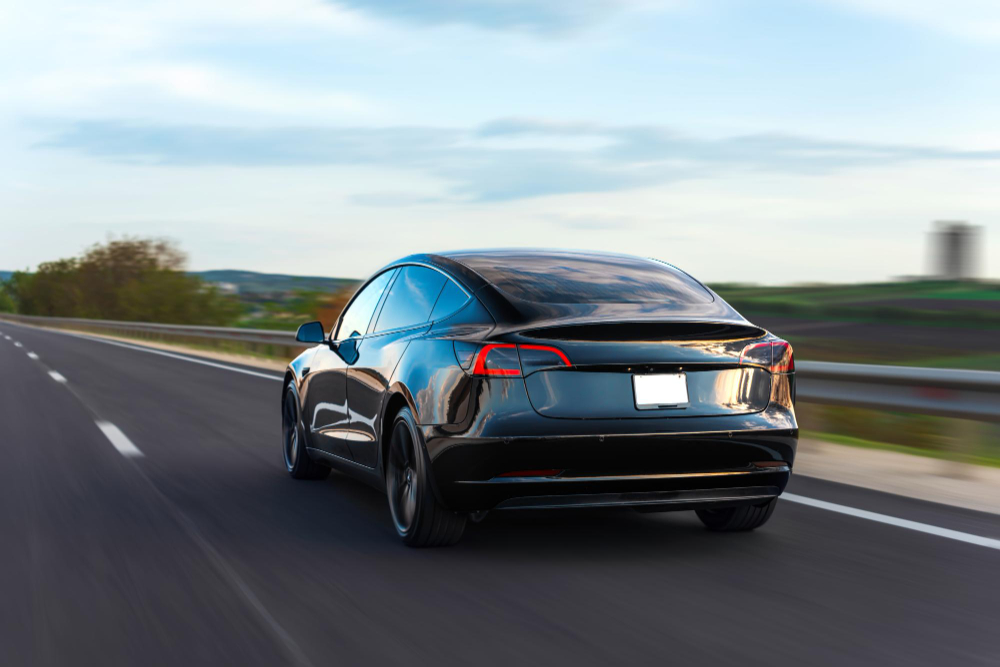
The Cybercab is Tesla’s admission that the traditional consumer vehicle market is not where the real opportunity lies. Musk built a $30,000 robotaxi from the ground up with no steering wheel, no pedals, and no mirrors. It’s purpose-built for autonomous operation at scale.
Here’s what makes this strategic pivot significant: Cybercab represents an entirely different business model. Waymo operates 4,000+ autonomous vehicles across multiple U.S. cities, completing roughly 500,000 paid robotaxi rides per week. Tesla’s Cybercab fleet currently stands at approximately 463 registered vehicles, with only a handful actively operating in Austin.
But Tesla believes its cost advantage will ultimately win. The company claims Cybercab operating costs below $0.30 per mile. A Waymo vehicle, heavily modified with extensive sensor arrays, costs considerably more to manufacture and maintain. If Tesla can scale production and prove autonomous reliability, the economics could be devastating for competitors.
The Production Ramp Bet
Tesla is making a calculated decision to sacrifice near-term truck revenue for long-term autonomy dominance. By winding down Cybertruck production mid-2027 and redirecting capacity toward Cybercab, Musk is signaling that he views the robotaxi market as the larger opportunity.
This is consistent with Tesla’s other recent decisions. The company ended Model S and Model X production earlier this year to focus on Optimus humanoid robot development at Fremont. Tesla’s pattern is now clear: sacrifice consumer vehicles to pursue autonomous platforms and robotics.
The risk is substantial. Waymo’s operational track record demonstrates that building a reliable autonomous fleet at scale is genuinely hard. Tesla’s 8 actively operating Cybercabs versus Waymo’s 4,000+ vehicles tells the story of competitive distance. Full autonomy software that Tesla has promised remains unshipped. Regulatory approval from NHTSA, currently investigating Tesla’s Cybercab certification, is not guaranteed.
What This Means For Fleet Operators
If you’re evaluating Cybercab for fleet operations, today’s announcement confirms Tesla’s commitment to scaling production. By mid-2027, Giga Texas will be majority-dedicated to Cybercab manufacturing. This signals long-term supply availability, though it doesn’t guarantee pricing, timeline, or technical reliability.
Tesla’s track record with ambitious production timelines is mixed. The company regularly misses delivery targets. However, the Cybercab represents Tesla’s highest-stakes bet on its future. Failure would be catastrophic for the company’s stock valuation and Musk’s credibility on autonomy. That creates enormous incentive alignment for execution.
Economics remain the key variable. If Tesla achieves sub-$0.30 per-mile operating costs and proves Level 5 autonomy capability, fleet operators could enjoy margin advantages versus Waymo’s higher-cost model. If reliability issues emerge or regulatory obstacles slow deployment, Cybercab becomes an expensive experiment.
The Larger Strategic Picture
Tesla’s decision to wind down Cybertruck is not about factory space (Giga Texas has 10+ million square feet with most capacity sitting idle). It’s about capital allocation and strategic focus. Musk is consolidating resources behind autonomy.
This bet assumes three things: (1) Tesla’s autonomous software will reach Level 5 reliability; (2) regulatory pathways will clear in key markets; (3) unit economics at scale will undercut competitor fleets. If all three come true, Tesla could own a generation of transportation infrastructure. If any fails, the company faces billions in sunk costs on a robotaxi platform that never reaches commercial viability.
For fleet operators and investors, the message is unambiguous: Tesla is going all-in on autonomy. Cybercab production will ramp. Whether that ramp succeeds or fails will define Tesla’s next decade.
Ready to evaluate autonomous vehicle economics for your operation? Contact us at josh@autoautous.com or call 919-389-8290. Auto Auto specializes in robotaxi fleet analysis, cost modeling, and deployment strategy for fleet operators and infrastructure providers.