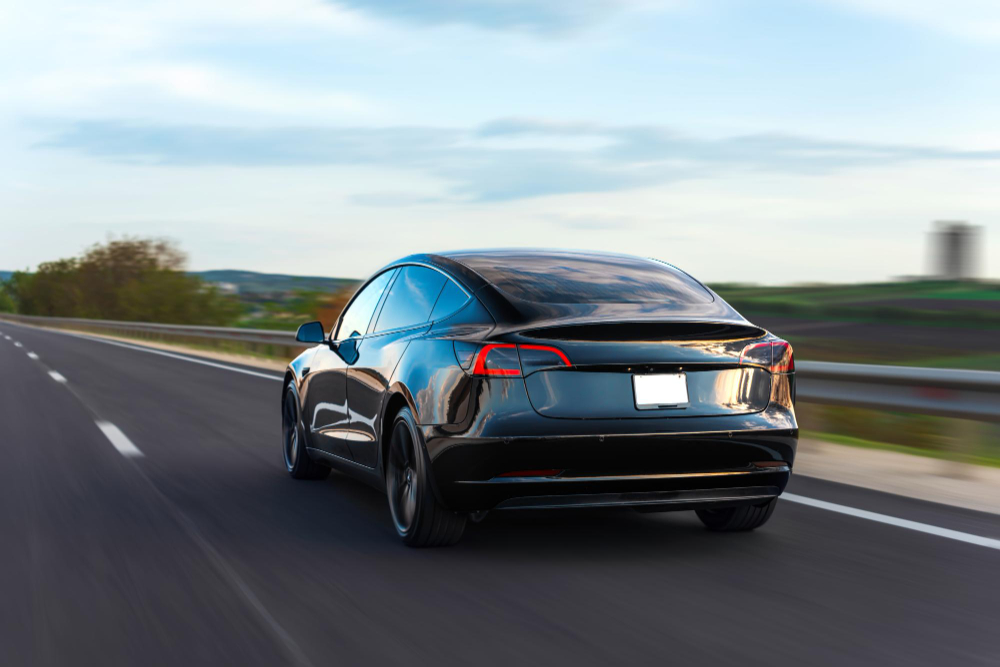

Tesla Cybercab Expansion Accelerates: Dallas Launch Imminent, Multi-City Rollout Underway
As of November 2026, Tesla is executing a decisive geographic expansion of its Cybercab robotaxi service. After six weeks of pilot operations in Austin, Texas, the company has grown its operational fleet to over 300 Cybercabs and is preparing to launch paid robotaxi service in Dallas in mid-November. This represents a significant acceleration in commercial deployment, signaling confidence in both the technology and the regulatory environment for driverless vehicle operations.
Austin Fleet Growth: 300+ Cybercabs in Active Service
Tesla has expanded its Austin pilot from the initial 8 active vehicles reported in early October to over 300 Cybercabs now deployed across the city. This 37x expansion in fleet size over just six weeks demonstrates that Tesla’s manufacturing and deployment infrastructure is capable of rapid scaling. The growth also validates core economics: vehicles are reaching operational readiness faster than earlier pessimistic projections suggested. For fleet operators evaluating Cybercab investment, the Austin expansion proves the company can convert production vehicles into revenue-generating robotaxis at meaningful scale.
The 300+ vehicle deployment in Austin represents meaningful commercial operations. At current utilization rates, this fleet is capable of providing hundreds of thousands of ride-hailing services per month if pricing remains competitive. This scale is still well behind Waymo’s 4,000+ vehicle fleet, but the trajectory matters more than the absolute number. Tesla is closing the operational gap faster than industry observers predicted.
Dallas Launch: November 15 Target Date
Tesla plans to launch Cybercab service in Dallas around November 15, 2026, according to statements from Tesla AI Chief Ashok Elluswamy and confirmed by prominent Tesla analyst Whole Mars Catalog. Dallas represents the first major city expansion beyond Austin and signals that Tesla intends to replicate its Texas-focused strategy across multiple urban markets rather than pursuing a single city to perfection.
Dallas is strategically valuable for several reasons. The city has favorable regulatory conditions for autonomous vehicles, an existing Tesla customer base familiar with the brand, and sufficient geographic size to support a meaningful fleet size. Initial deployment will likely follow the same geofenced model used in Austin, with service available in select neighborhoods rather than city-wide coverage. However, geofenced operations can scale in concentric circles as fleet size grows and autonomous capabilities prove reliable.
Multi-City Expansion Strategy: A Nationwide Rollout Framework
Beyond Dallas, Tesla’s stated plans indicate Cybercab expansion to additional major U.S. cities including Fort Worth, Houston, Miami, Orlando, and Tampa. This represents a coast-to-coast geographic spread targeting both large metropolitan areas (Houston, Miami) and regional hubs. The expansion pattern suggests Tesla is pursuing a distributed strategy rather than concentrating fleet in a single location.
For investors and fleet operators, this geographic strategy has important implications. A distributed, multi-city deployment reduces single-point-of-failure risk and creates redundancy in operations. If one city faces regulatory setbacks, others continue generating revenue. Additionally, multi-city operations enable network effects: as Tesla builds service in neighboring cities (Dallas and Fort Worth are 30 miles apart), riders can take Cybercabs between cities, increasing utilization rates and average revenue per vehicle.
Production Ramping to Support Expansion
Tesla’s ability to expand the Austin fleet to 300+ vehicles while simultaneously launching Dallas operations suggests production at Giga Texas is moving faster than public guidance implied. Musk previously stated that initial Cybercab production would be “very slow” in April 2026. Six months later, the company is producing vehicles fast enough to sustain triple-digit fleet growth while launching a new city. This is a meaningful update to production expectations.
Giga Texas will dedicate an entire production line to Cybercab by mid-2027, according to recent reports. This represents significant manufacturing commitment: Tesla is shifting away from Cybertruck production to prioritize the robotaxi platform. For automotive investors, this signals Tesla’s confidence that autonomous vehicle economics ultimately exceed conventional electric truck economics at scale.
Regulatory Environment Permitting Rapid Expansion
The expansion is occurring without any halt to operations from NHTSA, despite the federal agency opening an investigation into Cybercab self-certification last October. This suggests one of two things: either NHTSA has signaled informal approval for limited operations while the formal audit continues, or the agency is using a permissive approach that allows commercial testing while maintaining formal investigative oversight. Either way, the absence of regulatory interference is enabling Tesla to build operational scale before any formal approval decisions.
This regulatory posture stands in contrast to 2024, when autonomous vehicle companies faced aggressive federal scrutiny and local opposition. By November 2026, the environment appears to have shifted toward permissiveness for companies demonstrating responsible operations. This change in regulatory climate is itself a major development for the autonomous vehicle sector broadly.
Implications for Fleet Operators and Investors
For businesses evaluating Cybercab fleet participation, the Austin expansion and Dallas launch provide concrete evidence that Tesla intends to execute the multi-city expansion plan. The company is not stalled at the pilot stage. Rather, it is adding cities and vehicles at a pace suggesting profitability at current economics and confidence in autonomous technology maturity.
Investment decisions should consider several factors. First, if you participate now in Austin, Dallas, or early expansion cities, you benefit from network effects as additional vehicles and cities come online. Second, Tesla has confirmed plans to begin customer deliveries of Cybercabs by year-end 2026, meaning fleet operators can transition from participation in Tesla’s managed network to independent operations if they choose. Third, the expansion geography (Texas, Florida) signals Tesla’s initial focus on southern U.S. states, which may have more favorable regulatory conditions than northern states or California.
However, risks remain. Waymo continues to dominate in operational scale and proven autonomous capability. Competitive pressure on pricing, if Waymo and Tesla both scale fleets in the same cities, could depress margins below initial projections. Additionally, regulatory obstacles could emerge if autonomous vehicles experience high-profile accidents or demonstrate behavioral issues (such as the school zone speeding incidents reported in early 2026).
Market Moment: The Commercialization Inflection
The Tesla Cybercab expansion from 8 vehicles in October to 300+ in November, combined with imminent multi-city rollout, marks a qualitative shift from prototype-phase to early-commercial-phase operations. The autonomous vehicle industry is transitioning from “will it work?” to “can it scale economically?” Tesla’s expansion suggests the company believes the answer is yes.
For the autonomous vehicle sector, the Dallas launch and multi-city plans will be closely watched by regulators, competitors, and investors as proof points for viability. If Tesla achieves reliable, profitable operations across multiple cities by end of 2026, it will validate the commercial model and likely accelerate competitor expansion efforts. Conversely, any service disruptions, accidents, or regulatory reversals could dampen expansion momentum.
Next Steps: Monitoring the Expansion
Fleet operators and investors should monitor several key metrics over the next 60 days:
1. Dallas launch execution: Does Cybercab service launch as planned on November 15? How many vehicles deploy in the initial launch?
2. Austin fleet stability: Can Tesla maintain the 300+ vehicle fleet in Austin without regulatory intervention or reliability issues?
3. City-by-city profitability: As Cybercab expands to multiple cities, does management share data on per-vehicle revenue, utilization rates, or operating costs?
4. Competitive pricing: How does Cybercab pricing compare to Waymo and other robotaxi services in overlapping markets?
5. Customer delivery timeline: Does Tesla meet its end-of-2026 target for delivering Cybercabs to fleet operator partners?
The expansion signals momentum, but momentum alone does not guarantee success. The autonomous vehicle market remains in its infancy, and competitive, regulatory, and technological variables can shift rapidly.
Conclusion: From Promise to Practice
Tesla’s Cybercab expansion represents one of the most significant tests of autonomous vehicle commercialization in 2026. The company is moving from pilot-phase operations with a handful of vehicles to multi-city deployment at scale. For investors, fleet operators, and technologists tracking the autonomous vehicle sector, the next 60 to 90 days will reveal whether Tesla’s expansion is sustainable or whether it encounters the operational or regulatory obstacles that have slowed competitors.
The robotaxi market opportunity is enormous: global ride-hailing is worth hundreds of billions annually, and autonomous vehicles promise to dramatically reduce per-ride costs. Tesla’s expansion suggests the company is positioning itself to capture significant market share if it can prove reliability and secure regulatory approval for steering-wheel-free operations across multiple jurisdictions.
For fleet operators, the timing is critical. Participating early provides network benefits and brand association with a proven player. However, waiting allows visibility into reliability data and regulatory approvals before committing capital. Either approach carries risk and reward.
The question Tesla must answer in the coming months is not “can we build Cybercabs?” but “can we operate them profitably at scale across multiple cities?” The expansion to Dallas and beyond will provide that answer.
Want to discuss robotaxi fleet opportunities or autonomous vehicle economics? Contact Auto Auto:
Email: josh@autoautous.com
Phone: 919-389-8290
Auto Auto advises fleet operators, investors, and mobility businesses on autonomous vehicle strategy, financial modeling, and deployment planning.