How Cybercab Management Can Optimize Your Tesla Fleet for Maximum Efficiency
As February 2026 unfolds, Tesla’s Cybercab is poised for a major milestone: production beginning in April 2026 at Gigafactory Texas. This fully autonomous, two-seater robotaxi—featuring no steering wheel, pedals, or side mirrors—represents a leap forward in efficient, driverless mobility. For fleet operators and businesses entering the robotaxi space, professional Cybercab management is the critical factor in turning this innovation into a high-performing, revenue-generating asset. As a specialized Cybercab management company, we deliver tailored Tesla Cybercab fleet management solutions that maximize uptime, reduce costs, and drive profitability through smart robotaxi operations.

The Cybercab’s core advantage lies in its extreme efficiency. Tesla has designed it for high utilization in urban environments, where most rides involve one or two passengers. With a target operating cost of around $0.20 per mile (including energy, maintenance, cleaning, depreciation, and insurance), the vehicle undercuts traditional ride-hailing by a wide margin. This low-cost structure comes from simplified manufacturing—using new alloys, modular assembly, and Tesla’s “unboxed” production process—and efficient components like LFP batteries and a 48V architecture. At scale, a well-managed Cybercab fleet can achieve 80-90% utilization rates, far surpassing the 5% typical for personally owned vehicles that sit idle most of the time.
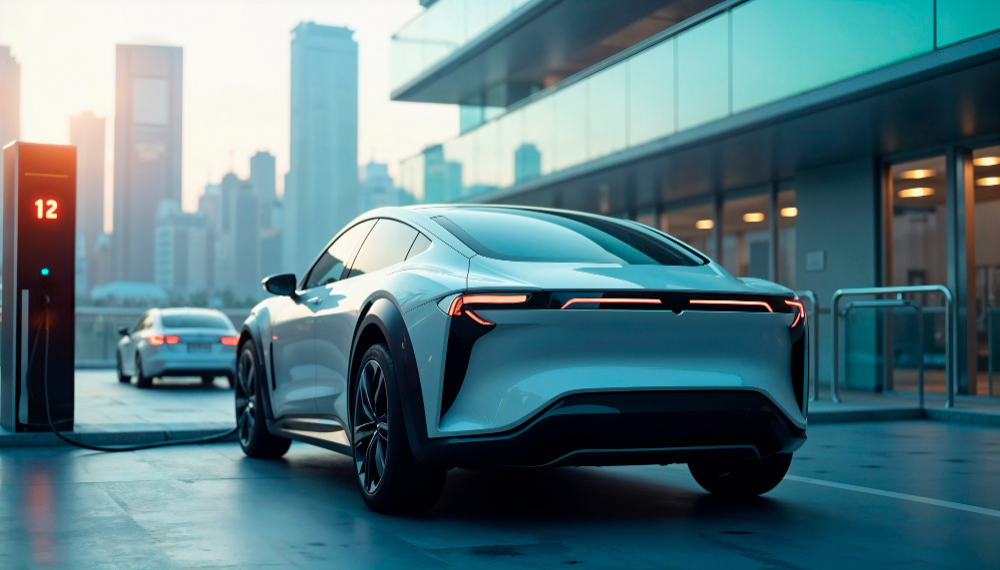
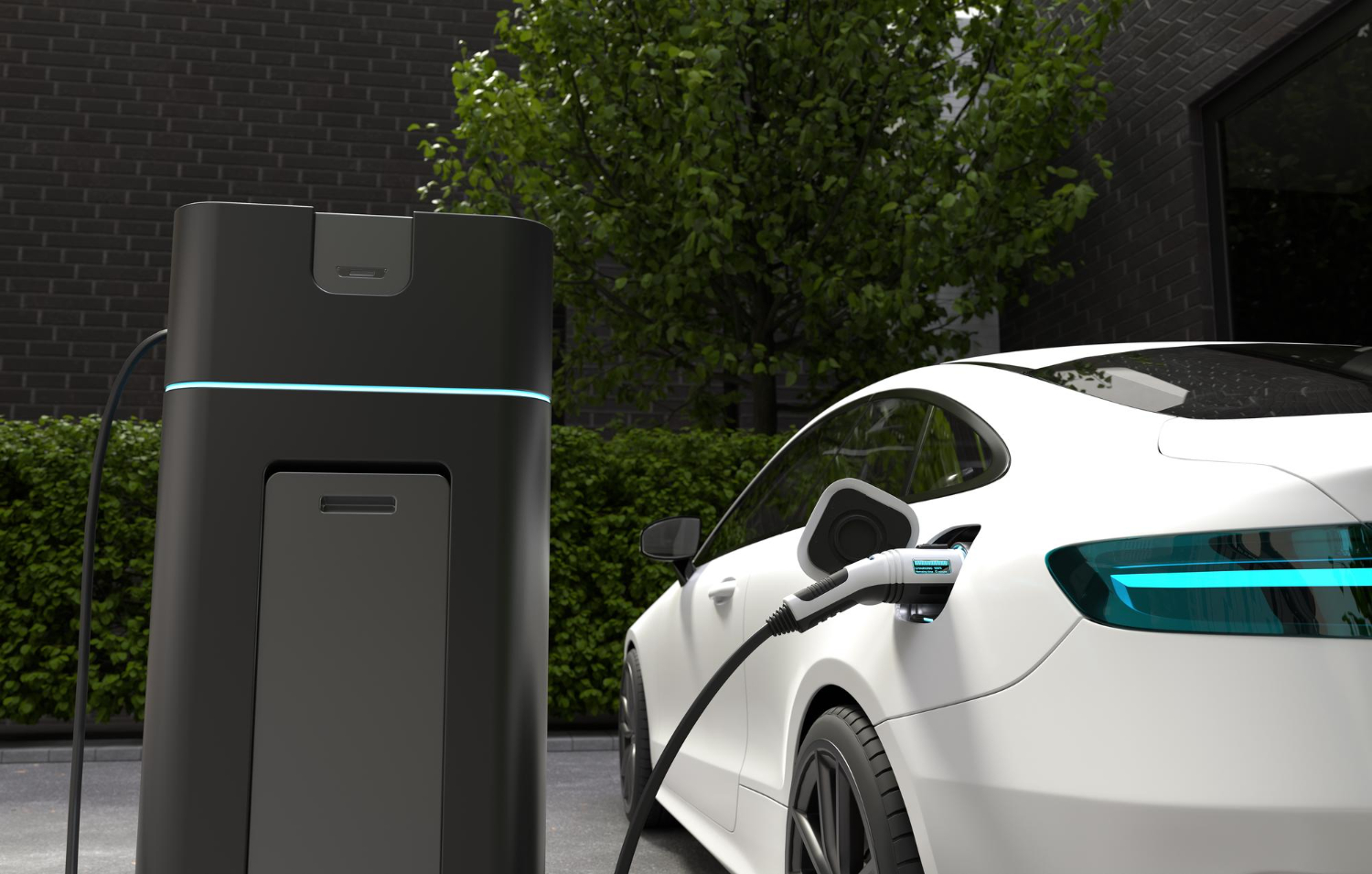
Effective Cybercab management starts with automation at every level. Tesla’s AI-driven software enables real-time route optimization, dynamically dispatching vehicles to high-demand areas while minimizing empty miles (deadheading). Predictive maintenance analyzes telemetry data to anticipate issues—such as battery health or sensor calibration—before they lead to downtime. This proactive approach keeps fleets operational nearly around the clock, with minimal human intervention for tasks like cleaning or charging. Inductive wireless charging, a key feature Tesla is advancing, allows vehicles to recharge automatically during brief stops, further boosting efficiency in robotaxi operations.

Our Cybercab management services integrate deeply with Tesla’s ecosystem. We handle fleet monitoring through the Tesla app and API, providing dashboards for operators to track vehicle status, ride metrics, and revenue in real time. For autonomous vehicle management, this means seamless scaling: start with a pilot fleet of 10-20 units in approved regions like Texas (where unsupervised FSD testing is advancing), then expand as production ramps and regulatory green lights appear in more cities. Tesla’s network already supports Model Y autonomous rides in areas like Austin, and Cybercab will become the primary vehicle for short, efficient trips—freeing up larger models for group transport.
Financial optimization is a cornerstone of successful Tesla Cybercab fleet management. A single Cybercab, running high-volume rides, could generate significant annual revenue—potentially $30,000 or more per vehicle at scale—thanks to low per-mile costs and high daily mileage. By reducing idle time and labor expenses (no drivers needed), operators achieve faster ROI compared to traditional fleets. We assist with revenue modeling, including integration into Tesla’s ride-hailing platform for shared dispatching, and help navigate hybrid models: fully owned fleets for control or partnerships with Tesla for distributed earnings.

Safety and reliability further enhance efficiency in robotaxi operations. Tesla’s vision-only Full Self-Driving system, refined through billions of miles of data, targets safety levels far exceeding human drivers. Fleet managers benefit from over-the-air updates that continuously improve performance without service interruptions. Our management includes compliance support—monitoring NHTSA guidelines, state regulations, and local permits—to ensure smooth operations as approvals expand beyond early adopters like Texas.
Customer-centric features also play into optimization. The Cybercab’s interior—spacious butterfly doors, heated seats, and a massive touchscreen for navigation, entertainment, and trip details—boosts rider satisfaction and ratings. We coordinate automated cleaning schedules and quality checks to maintain pristine conditions, reducing negative feedback and encouraging repeat usage. Sustainability aligns perfectly too: as a zero-emission EV with optimized energy use, managed Cybercab fleets help lower urban emissions while appealing to eco-conscious riders and cities pushing green initiatives.

While challenges like initial production ramp-up (described as “agonizingly slow” before full acceleration) and infrastructure needs exist, expert Cybercab management mitigates them. We provide end-to-end support: acquisition planning, software setup, 24/7 monitoring, maintenance coordination, and analytics for continuous improvement. By leveraging Tesla’s data ecosystem, operators can fine-tune deployments—adjusting for peak hours, weather, or events—to sustain high efficiency.
As Tesla invests heavily in AI, batteries, and charging networks for 2026 and beyond, the Cybercab promises to dominate robotaxi output. Mastering Tesla Cybercab fleet management now positions businesses to capture market share in this transformative era. Whether launching a dedicated service or integrating into existing platforms, professional management turns potential into performance.
Learn more about Tesla’s autonomous vision at Tesla Robotaxi. Contact a dedicated Cybercab management partner today to optimize your fleet and lead in efficient, autonomous mobility.
Related topics: Cybercab management, Tesla Cybercab fleet management, robotaxi operations, autonomous vehicle management, Tesla robotaxi efficiency, driverless fleet optimization