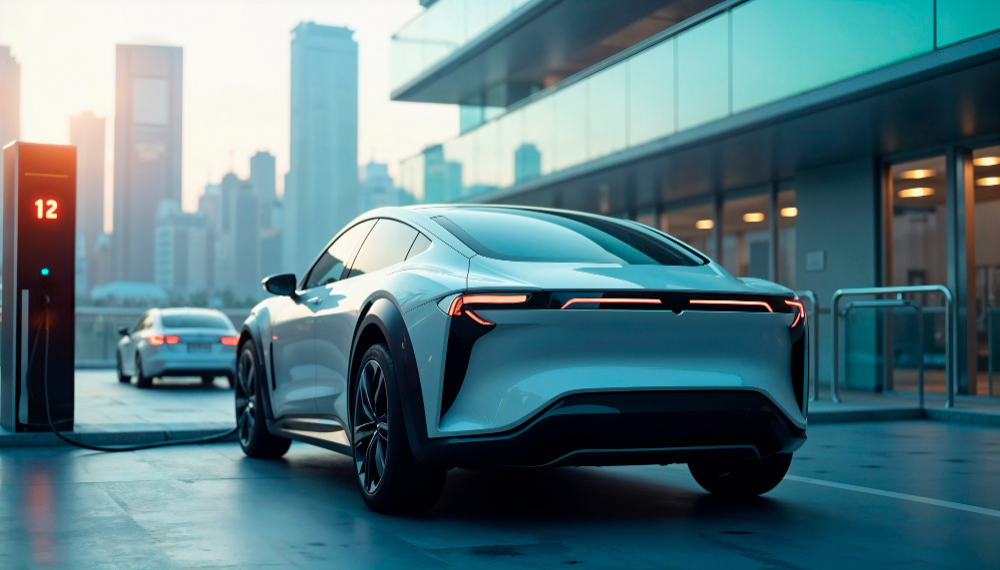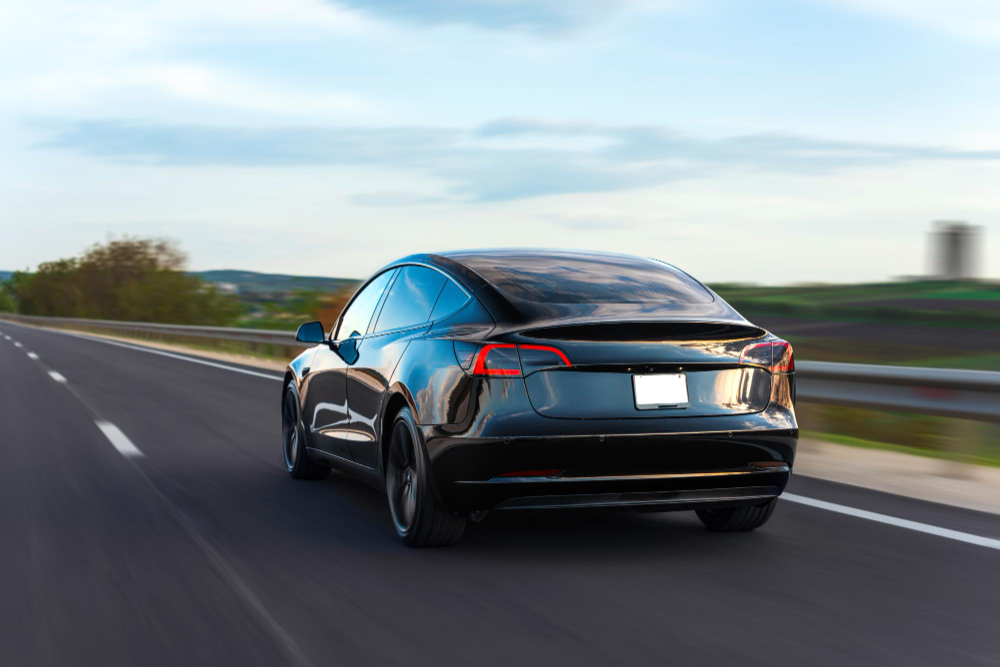
Most passive income investments are passive in name only. Rental properties call you at midnight about broken pipes. Dividend stocks require constant portfolio monitoring. Even traditional fleet businesses mean managing drivers, handling complaints, and chasing down late shift reports. The Tesla Cybercab, managed professionally, is different. Here’s exactly what a 24-hour period looks like for an Auto Auto fleet owner — and more importantly, what it looks like for you.
Spoiler: your involvement is zero. Here’s where all the action actually happens.

Why the Cybercab Runs in Shifts — Not Like a Normal Car
Before we walk through the day, it’s worth understanding the single biggest operational advantage the Cybercab has over every previous fleet vehicle in history: it never needs a driver, and a driver never needs a break.
Traditional taxi and rideshare fleets are limited by human biology. A driver works 8 to 10 hours, goes home, sleeps, and comes back. The car sits idle for 14 hours. With a Cybercab, the only real constraint is battery range — and at 300 miles per charge, that constraint is almost irrelevant for a single operating day. One overnight charge covers everything. The vehicle runs from early morning through the late-night bar rush, logs 250+ miles, and comes back to the hub to charge while the city sleeps. Then it does it again tomorrow.
That 300-mile range isn’t just a spec — it’s the reason the entire passive income model works. No mid-shift charging stops. No driver handoffs. No gaps in earning. Just one charge cycle per 24 hours, and a full day of revenue in between.
Now, here’s how that day actually unfolds.
Pre-Dawn Prep: Charging, Cleaning, and Ready-to-Roll (10 PM – 5 AM)
After the last late-night ride drops off — more on that window in a moment — your Cybercab routes itself autonomously back to the Auto Auto hub. No one drives it back. No keys to hand over. It simply navigates home on its own.
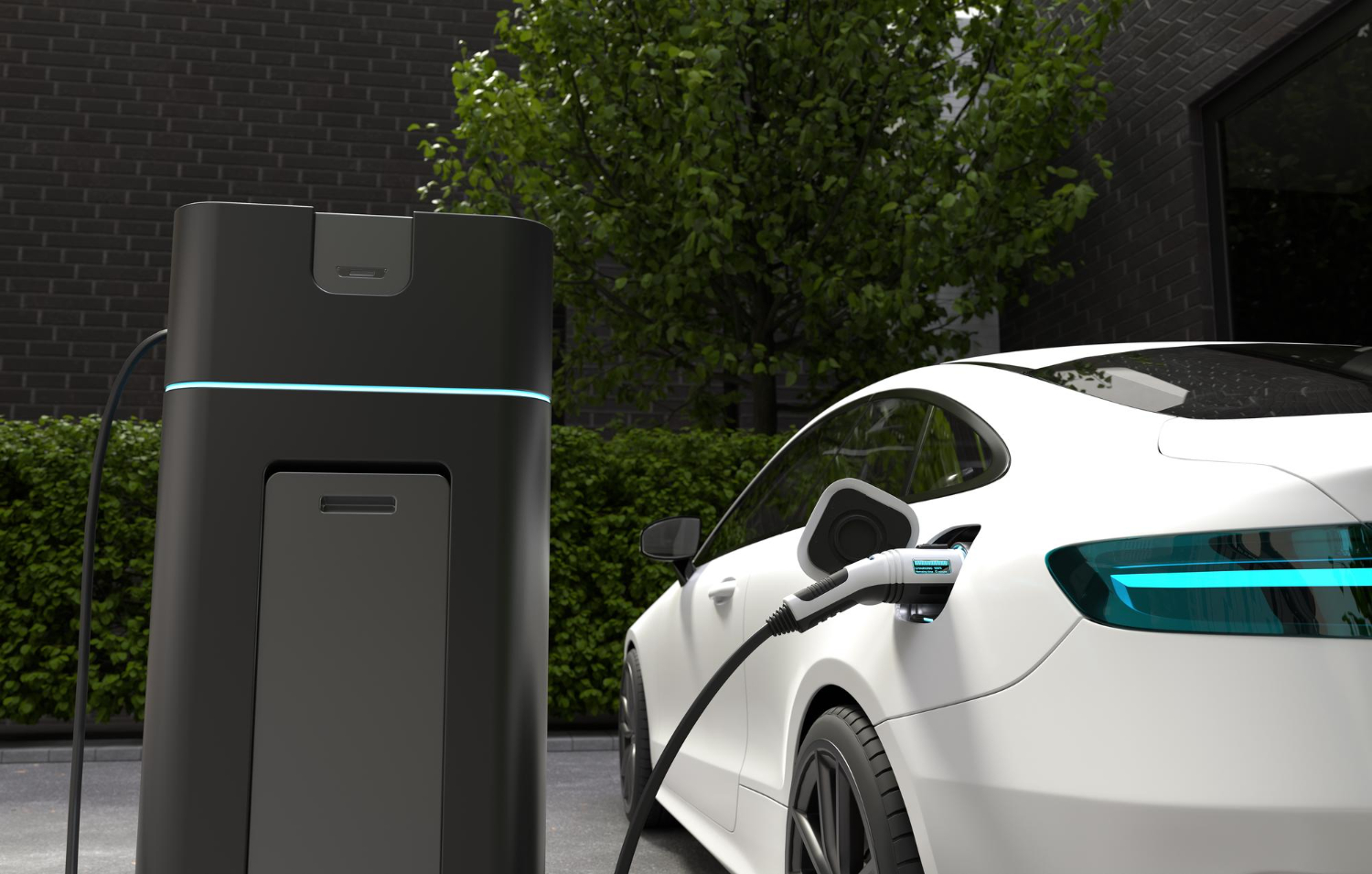
At the hub, the overnight team takes over. Full interior clean, exterior spot check, diagnostic review, and charge. Tesla’s onboard systems stream health data continuously — tire wear patterns, sensor calibration, brake status — and any flagged items are logged and scheduled before morning. Software updates pushed overnight via OTA install automatically during the charge window. By 5 AM, your vehicle is clean, fully charged, software-current, and ready to earn again. You are still asleep. These two facts are not in conflict.
What you did during this time: Slept.
Morning Dispatch: Commuters and Airport Runs (5 AM – 9 AM)
By 5:30 AM your Cybercab has left the hub and entered the Tesla Robotaxi dispatch network. The algorithm routes it automatically based on demand signals, proximity, and surge patterns — no human coordination required.
Early morning is airport and commuter territory. In the Raleigh-Durham market, that means rides to RDU International, Research Triangle Park office campuses, and downtown Raleigh corridors. These are slightly longer trips — 8 to 15 miles — which are efficient on battery and strong on per-ride revenue. By 9 AM your Cybercab has typically completed 4 to 6 trips, logged 40 to 60 miles, and already deposited $65 to $100 in gross revenue before most people have finished their first cup of coffee.
What you did during this time: Made breakfast. Did not think about your Cybercab once.

The Midday Grind: Campus Runs and Urban Trips (9 AM – 3 PM)
Midday is where trip volume picks up and the per-mile economics shine. In the Raleigh-Durham market specifically, the Triangle’s three major universities — NC State, Duke, and UNC Chapel Hill — create a constant demand engine that most markets simply don’t have. Students don’t own cars at the same rate as previous generations. They rideshare everywhere. They’ll use the Robotaxi for the same reason they use Uber: it’s cheaper, it’s reliable, and there’s no awkward small talk.
Midday trips tend to be shorter — 2 to 5 miles — which means faster turnaround between rides and high base fare contribution relative to mileage. Your Cybercab might complete 12 to 18 trips between 9 AM and 3 PM, adding another 80 to 100 miles and $110 to $145 in gross revenue. And unlike a human driver grinding through a lunch shift, there is no fatigue, no distraction, and no stopping for a break. The Cybercab operates continuously until the battery needs attention — which on a 300-mile charge, won’t happen today.
What you did during this time: Worked. Went to the gym. Whatever you normally do on a Wednesday.
Peak Hours: Dinner, Commute, and Surge Pricing (3 PM – 10 PM)
Late afternoon through evening is the highest-earning window of the standard day. Afternoon commute, dinner runs, happy hour, evening entertainment — demand spikes and Tesla’s network responds with dynamic pricing. When demand outpaces available vehicles in your area, your Cybercab automatically captures higher per-mile rates without any action required on your part or ours.
In Raleigh, the evening demand corridor runs from North Hills to downtown, through Glenwood South, and out to the entertainment districts near NC State. Game days push demand even higher. A Panthers watch party, a Duke basketball night, a sold-out show at Red Hat Amphitheater — all of it translates directly into surge pricing windows your Cybercab captures in real time.
What you did during this time: Had dinner. Watched something. Didn’t get a single call about your Cybercab.

The Late Night Shift: Where the Real Money Hides (10 PM – 3 AM)
Here’s the window most investors don’t think about — and it’s one of the most lucrative parts of the entire 24-hour cycle.
From 10 PM to 3 AM, bars close in waves. College students pour out of Glenwood South. Young professionals need rides home from downtown. Nobody wants a DUI. Nobody wants to wait 20 minutes for an Uber that may or may not show up. And critically — human Uber and Lyft drivers don’t want to work this shift. It’s late, it’s unpredictable, and the ride quality drops as the night gets later. Driver supply falls off exactly when rider demand spikes.
The Cybercab doesn’t care what time it is. It doesn’t get tired. It doesn’t worry about a passenger who’s had too much to drink. It doesn’t decide to log off at midnight because it’s not worth it anymore. It runs the same at 2:30 AM as it did at 7:30 AM — and because driver supply is thin during this window, surge pricing during late-night hours can be among the highest of the entire day.
In a college market like Raleigh-Durham — with NC State, Duke, and UNC students all within range — Thursday through Saturday nights are not a minor revenue bump. They are a meaningful portion of weekly earnings. A vehicle running 3 to 4 late-night bar-close shifts per week adds significant income that simply doesn’t exist for any fleet operator relying on human drivers who opt out of that window.
Not every Cybercab in your fleet needs to run the full late-night window every night. Auto Auto staggers the fleet — some vehicles run the full 5 AM to 3 AM cycle on high-demand nights, others take shorter windows and return to the hub earlier. The goal is maximizing revenue across the fleet without burning down vehicle longevity unnecessarily. On a big event night, more vehicles stay out longer. On a slow Tuesday, they come in earlier. Our operations team manages that rotation so you don’t have to think about it.
What you did during this time: Were asleep. And earning.

Back to the Hub: Clean, Charge, Repeat (3 AM – 5 AM)
After the last ride of the night, your Cybercab routes itself back to the Auto Auto hub. The overnight crew handles the close-out: interior cleaned, vehicle inspected, diagnostics reviewed, and charging begun. By the time the city wakes up, it’s ready to do the whole thing again.
The 300-mile battery range makes this entire cycle possible on a single charge. A vehicle that starts its day at 5 AM and runs through a 3 AM close — with natural idle time between trips — can comfortably cover 250 to 280 miles without a mid-day charge stop. That’s the operating day we model. One charge in, one full day of revenue out.
What the Owner Actually Sees
You don’t manage any of this. But you stay informed. Auto Auto provides:
- Weekly summary: Total miles driven, gross revenue, expense breakdown, net earnings deposited. Readable in under two minutes.
- Monthly report: Fleet performance trends, maintenance summary, market utilization data, and a comparison against your projected returns. If your vehicle is underperforming its model, we tell you why and what we’re doing about it.
- Real-time dashboard: Check your vehicle’s current status, trip activity, or daily revenue at any time via the owner portal. Most owners look a few times a week out of curiosity. Some never open it. Both are completely fine.
The management relationship is built on one principle: you should never need to call us. If something requires your attention, we come to you. Otherwise, the machine runs — which is the entire point.
The One Thing This Day Requires From You
Making the decision to get in early.
The Cybercab is in production now. Tesla’s Robotaxi network is expanding city by city. Markets like Raleigh-Durham — with three university campuses, a booming young professional population, a thriving bar and entertainment scene, and zero existing robotaxi competition — represent exactly the kind of first-mover opportunity that fills up before most investors realize it’s available.
The day in the life of a managed Cybercab owner is straightforward: wake up, go about your life, and check your deposit at the end of the month. Everything else — the early morning commutes, the midday campus runs, the evening surge, and the 2 AM bar rush — is handled.
Start Your Fleet with Auto Auto →
Revenue figures and operational timelines are based on current Austin Robotaxi market data and Auto Auto’s fleet management model. Individual results will vary by market, utilization, and network availability. This post is for informational purposes only.