Where Is Tesla Cybercab Available Right Now? The Reality Behind the Expansion Narrative
Tesla’s Cybercab has captured investor imagination as a game-changing robotaxi platform. The company promised a nationwide rollout and a cost-per-mile advantage that would disrupt Waymo’s market leadership. But five months after the Austin launch, the geographic reality tells a different story. Here’s what fleet operators and investors actually need to know about where Cybercab is available, where it isn’t, and why the gap between announced cities and active deployment matters for business planning.
The Official Map vs. The Operating Reality
Announced Cities: Austin, Dallas, Houston, San Antonio (Texas), plus international mentions of Europe
Actually Deployed Fleets: Primarily Austin metro area, with unsupervised operation now extended across the entire Austin metropolitan area as of June 2026
This gap represents the core operational challenge facing Tesla’s robotaxi ambitions. The company announced Dallas and Houston deployments in April 2026, yet as of mid-2026, there are no publicly reported active Cybercab fleets operating in either city. This mirrors Tesla’s historical pattern with autonomous vehicle timelines: announcements precede operational deployment by months or years.
Austin: The Only Real Deployment Zone
Austin, Texas remains Cybercab’s single operational footprint. Here’s what the June 2026 expansion actually delivered:
Coverage: Extended to the entire Austin metropolitan area, beyond the original geofenced downtown zone where Cybercabs operated for nearly a year.
Fleet Size: Approximately 50 Cybercabs operating in Austin according to presentations by city officials cited by Reuters. This represents a modest increase from the 45 registered units at the September 2026 launch.
Service Quality: Riders have reported wait times exceeding 30 minutes for vehicle availability. By comparison, Waymo vehicles in the same market typically arrive within 5 to 10 minutes.
The Competitive Deficit: Waymo operates more than 250 autonomous vehicles in the Austin market alone. Tesla’s 50 vehicles represent roughly 17% of Waymo’s deployed fleet in the same city.
Why Registered Units Don’t Match Operating Units
Tesla has registered over 300 Cybercabs in Texas as of mid-2026, but only 50 are actively deployed in Austin. This 6x gap between registered and operational vehicles reflects three realities:
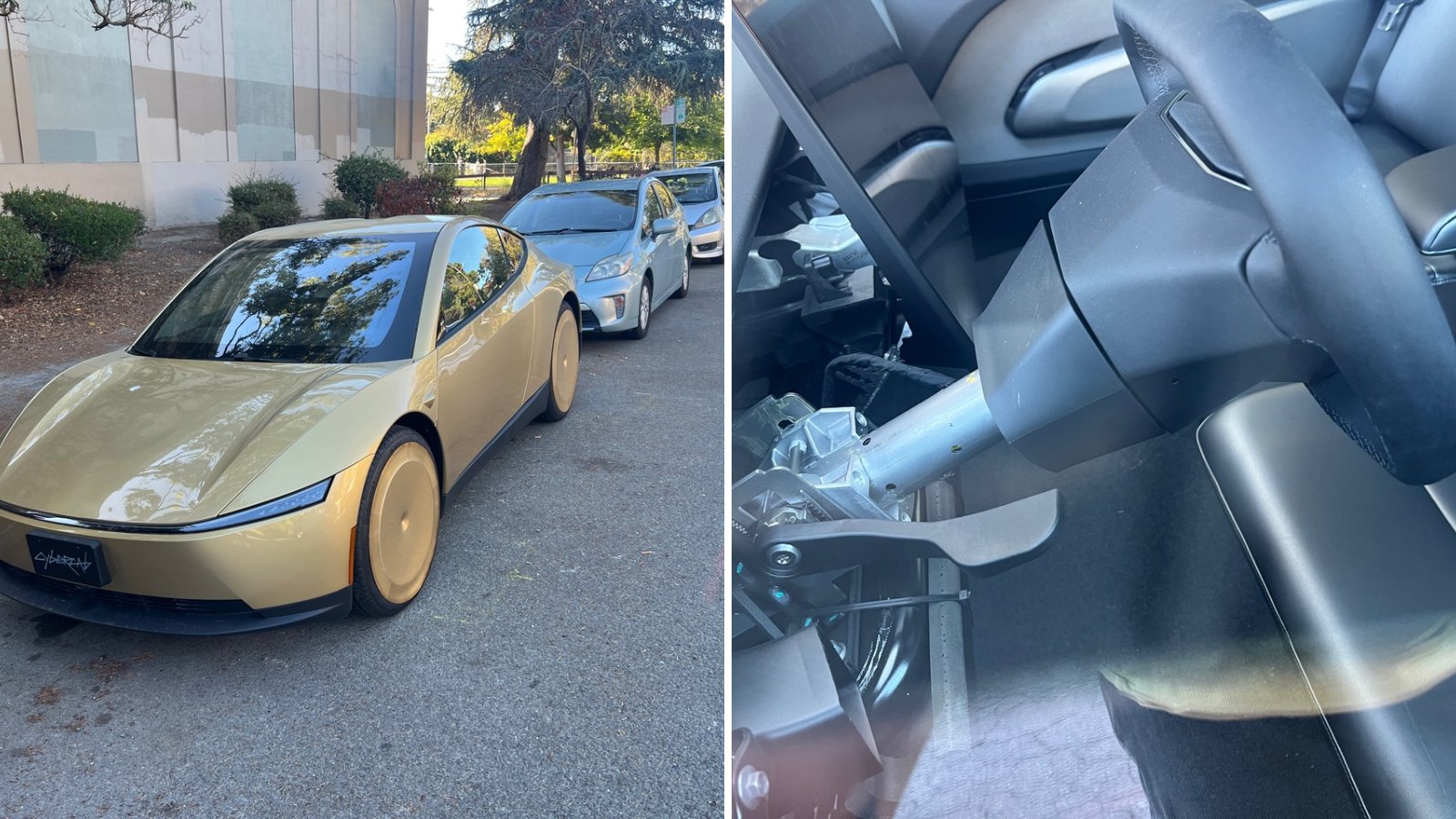
1. Regulatory Restrictions: The NHTSA investigation into Cybercab self-certification creates uncertainty. Even if approved for Austin operations, regulatory guidance may restrict wider deployment pending formal rule changes on steering wheel requirements.
2. Software Maturity: Tesla has not proven autonomous reliability at the scale Waymo has demonstrated. Operating only 50 vehicles suggests Tesla’s full self-driving stack still requires validation at larger scale.
3. Manufacturing Readiness vs. Deployment Readiness: Tesla can manufacture Cybercabs faster than it can integrate them into operational fleets. Production beginning in April 2026 created inventory that awaits regulatory clearance and operational infrastructure (charging, maintenance, dispatch systems).
Dallas and Houston: Still Waiting
Tesla announced robotaxi services in Dallas and Houston in April 2026, positioning these as key expansion cities for its broader Texas strategy. Six months later, neither city has reported active Cybercab operations.
For fleet operators or city planners expecting Cybercab deployment in these markets: manage expectations. Model Y robotaxis operate in both cities, but Cybercab specific deployments remain pending. The lack of announced timelines suggests either regulatory delays or operational prioritization of Austin consolidation over expansion.
The International Promise: Europe and Beyond
In September 2026, when asked by a rider whether Cybercabs would reach Europe, CEO Elon Musk replied “Hopefully soon in Europe too” without providing a timeline or regulatory pathway.
This signals European expansion is in planning stages but faces material hurdles:
- EU Regulatory Standards: European regulations differ significantly from U.S. FMVSS standards. Cybercab would require separate certification.
- No Announced Pilot Cities: Unlike Waymo’s published European expansion roadmap, Tesla has not identified a launch city.
- Unresolved U.S. Regulatory Path: International expansion typically follows domestic proof-of-concept. With NHTSA’s U.S. investigation still ongoing, global rollout timelines stretch further.
What This Means for Fleet Economics
Fleet operators evaluating Cybercab investment should factor these deployment realities into ROI models:
Market Entry Timeline: Don’t assume Q4 2026 nationwide availability. Plan for Austin-only operations through Q1 2027 at minimum, with Dallas and Houston possibly arriving in mid-2027.
Utilization Pressure: With only 50 vehicles in Austin and strong Waymo competition, utilization rates may remain below Tesla’s cost-per-mile assumptions. Waiting for fleet scale could extend payback periods.
Regulatory Risk Pricing: Include 20-30% probability discount for adverse NHTSA rulings that could require retrofits or temporary operational suspensions.
Competition Premium: Waymo’s 250+ Austin vehicles and proven operational track record may justify paying a 10-15% utilization premium for Waymo fleet participation today versus betting on Cybercab scale tomorrow.
The Bottom Line: Deployment Matches Reality
Tesla’s Cybercab rollout is real but narrow. Austin’s metro expansion represents genuine progress: unsupervised robotaxi operation in a major U.S. city is a material achievement. But the gap between registered vehicles, announced cities, and actual deployments reflects the same execution pattern that has characterized Tesla’s autonomous vehicle promises for six years: ambition precedes delivery.
For investors and fleet operators, the question is not whether Cybercab will eventually scale to Dallas, Houston, and beyond. The question is timing. Will regulatory approval arrive in Q4 2026 or Q2 2027? Will Cybercab autonomous reliability improve fast enough to support deployment outside Austin’s geofence? Will Waymo’s expanded fleet and proven operations capture market share before Cybercab achieves comparable scale?
The Austin expansion proves Cybercab is a working product. The absence of Dallas and Houston deployments proves scaling it beyond a single city remains a work in progress.
Ready to evaluate robotaxi deployment strategies for your fleet? Auto Auto can help you model Cybercab, Waymo, and alternative robotaxi platforms for your specific markets and operational needs. Contact josh@autoautous.com or call 919-389-8290 to discuss how autonomous vehicle deployment timing affects your business plan.