The Regulatory Bottleneck That Could Make or Break Robotaxi Economics
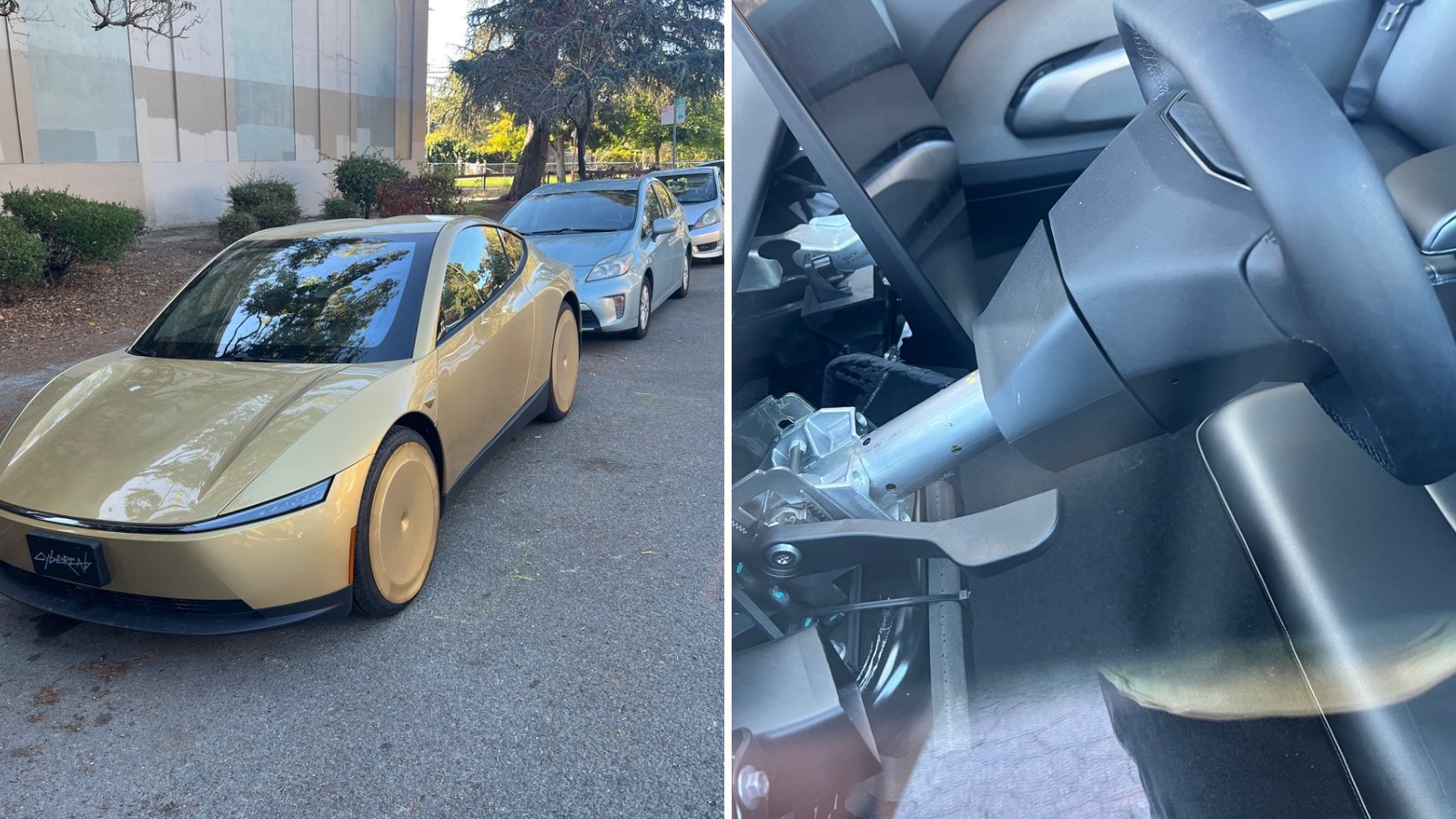
If you’re evaluating Tesla Cybercab as part of a robotaxi fleet strategy, here’s what you need to understand about the regulatory landscape: Tesla’s path to commercial deployment is not yet clear, and the outcome of ongoing federal investigations will determine whether Cybercabs can scale profitably in 2027.
What’s Actually Under Investigation?
On September 4, 2026, the National Highway Traffic Safety Administration (NHTSA) opened an official audit into Tesla’s Cybercab deployment. The question is not whether Cybercabs are safe, but whether they comply with Federal Motor Vehicle Safety Standards (FMVSS) designed for human-operated vehicles.
The problem: Cybercab has no steering wheel, no brake pedal, no accelerator, and no traditional mirrors. Every one of these absences violates FMVSS standards that were written in the 1960s and 1970s, back when the idea of a car with no human controls was science fiction.
Tesla’s position is simple: these standards are inapplicable to a fully autonomous vehicle because they assume human drivers. If no human operates the vehicle, you cannot violate a standard designed for humans.
NHTSA’s position is more cautious: prove it. The agency wants to see engineering data, testing results, and safety documentation showing that Cybercab provides equivalent or superior protection compared to human-driven vehicles. Until that documentation is sufficient, existing standards apply, and the vehicle must either be retrofitted with steering wheels and pedals or Tesla must seek formal exemptions.
Timeline and Potential Outcomes
As of October 2026, the NHTSA investigation is ongoing. No final determination has been announced. Industry analysts estimate a decision will arrive in Q4 2026 or early Q1 2027.
What are the likely outcomes?
Scenario 1: Approval with Conditions (est. 40% probability)
NHTSA accepts Tesla’s position that certain standards are inapplicable to autonomous vehicles, but requires limited deployment (geofenced areas, controlled environments) while formal rulemaking proceeds to modernize outdated safety standards. This path keeps Cybercabs operational in pilot areas while establishing precedent for steering-wheel-free vehicles.
Scenario 2: Formal Exemption Requirement (est. 45% probability)
NHTSA determines Tesla’s self-certification was inadequate and directs the company to file formal exemption requests under federal regulations. This adds 6 months to a year of additional regulatory review but eventually leads to approval. Waymo successfully obtained exemptions in 2024 and 2025, so this pathway is proven.
Scenario 3: Retrofit Mandate (est. 10% probability)
NHTSA requires Tesla to equip all Cybercabs with functioning steering wheels and pedals until broader regulatory modernization occurs. This destroys the Cybercab’s core value proposition (purpose-built autonomous design) and makes it uncompetitive with retrofitted alternatives.
Scenario 4: Full Approval (est. 5% probability)
NHTSA rapidly affirms Tesla’s self-certification and permits commercial deployment with minimal restrictions. Unlikely given the agency’s established pattern of requiring formal documentation.
What This Means for Fleet Economics
The regulatory outcome directly affects profitability. Tesla’s core competitive advantage over Waymo is cost. The Cybercab costs approximately $30,000 per vehicle, compared to Waymo’s heavily modified $80,000+ vehicles. That $50,000 per-unit cost advantage is Tesla’s entire strategy for undercutting human-driver services and Waymo’s robotaxi pricing.
If regulators require a steering wheel retrofit, that advantage evaporates. You’re looking at engineering costs, manufacturing delays, and liability complications that blow away the cost savings.
Even in the “formal exemption” scenario, regulatory delays mean limited fleet deployment through 2027. If you’re building your robotaxi business plan on scaling 500 Cybercabs by Q3 2027, regulatory delay makes that unachievable. You’ll be locked into small geofenced areas, limited ride volume, and depressed per-mile economics while waiting for regulatory clarity.
The Broader Context: Federal Modernization Is Actually Happening
The good news is that NHTSA is actively working on formal rulemaking to modernize safety standards for autonomous vehicles. The agency has announced eight separate rulemakings covering steering wheel requirements, brake pedal standards, mirror systems, and other elements of outdated regulations.
The Trump administration has signaled support for “innovation-friendly” autonomous vehicle policy. NHTSA Administrator Jonathan Morrison stated: “We need to ensure that all of our laws are followed,” while emphasizing the administration’s commitment to balancing innovation with safety oversight.
This means modernization is coming. The question is timing. If rulemaking accelerates and formal exemptions are granted in early 2027, Cybercab deployment scales through 2027 and 2028. If regulatory processes slow, you’re looking at limited availability through 2027.
Competitive Implications
While Tesla faces regulatory uncertainty, Waymo continues scaling aggressively. The company operates approximately 4,000 robotaxis across multiple U.S. cities and is expanding to three additional markets by end of 2026. Waymo’s operational track record—demonstrated safety, proven reliability, established regulatory approval—gives the company an advantage over Tesla’s regulatory ambiguity.
Zoox (Amazon’s autonomous vehicle subsidiary) is also advancing, with deployments in Las Vegas and plans for additional cities by end of 2026.
The harsh reality: every month of regulatory delay allows competitors to scale their fleets and gain operational data that justifies additional regulatory confidence. Tesla needs regulatory clarity in Q4 2026 to avoid being structurally disadvantaged in 2027.
What Fleet Operators Should Do Now
If you’re evaluating robotaxi fleet economics for 2027, here’s what we recommend:
1. Monitor the NHTSA investigation closely. Set calendar alerts for Q4 2026 regulatory announcements. A decision in your favor unlocks Cybercab deployment. A decision against or a prolonged exemption process means Cybercab is not a 2027 play for you.
2. Diversify your regulatory bets. Don’t build your entire 2027 fleet plan around Cybercab alone. Evaluate Waymo partnerships or other regulatory-cleared alternatives that are available today.
3. Understand the cost-delay tradeoff. A Cybercab costs $30,000 but may not be deployable in volume until 2027. A Waymo partnership or alternative platform costs more per-unit but is operational today and generating revenue now.
4. Request clarity from Tesla. If you’re seriously considering Cybercab fleet operations, demand specific timelines and regulatory commitment from Tesla. Don’t accept “end of year” for customer deliveries without detailed NHTSA regulatory assumptions.
The Bottom Line
Tesla’s Cybercab is a genuine technological achievement. The economics work if the vehicle can be deployed at scale without expensive retrofits or regulatory delays. But the regulatory path from prototype to commercial fleet is not certain, and timing delays of 6 to 12 months could fundamentally alter the competitiveness of a Cybercab-based fleet strategy.
Fleet operators need to evaluate Cybercab alongside proven alternatives and make portfolio decisions that don’t rely entirely on regulatory outcomes beyond your control. The opportunity is real, but so are the risks.
Get Ahead of This Decision
Auto Auto helps fleet operators evaluate autonomous vehicle deployment strategies, regulatory landscapes, and competitive economics. We’ve analyzed dozens of robotaxi business cases and can help you understand whether Cybercab fits your 2027 roadmap or whether diversification is the right call.
Reach out to josh@autoautous.com or call 919-389-8290 to discuss your specific fleet scenario and regulatory risk tolerance.