A Day in the Life of a Cybercab Fleet Operator: What Ownership Actually Looks Like
Tesla’s Cybercab launched in Austin on September 3rd, 2026, opening a door that many entrepreneurs and fleet operators have been waiting to walk through. The vehicles are real, production is ramping, and the first customer fleet purchases are imminent. But what does actually owning and operating a Cybercab fleet look like on a day-to-day basis? The answer is more complex, and more operationally demanding, than many assume.

The Economics: Capital Structure
Fleet ownership begins with capital. Tesla’s $30,000 target price per unit is attractive on paper. A 50-vehicle fleet represents a $1.5 million equipment investment, substantially lower than Waymo’s per-vehicle deployment cost. But that’s only the beginning.
Initial deployment costs extend far beyond vehicle purchase price: charging infrastructure (depot and fast-charging stations), maintenance facilities, Mission Control software licensing, insurance, and initial operational reserves. Real-world estimates from fleet operators exploring Cybercab participation suggest total startup capital for a 50-vehicle deployment could exceed $3 million once infrastructure is included. A 200-vehicle fleet could require $10 million or more.
Tesla has not published formal financing programs for fleet operators, though the September 3rd “Robotaxi interest form” suggests structured partnerships are coming. Expect capital requirements to remain the primary barrier to entry for small operators.
Daily Operations: The Mission Control Problem
The Cybercab is autonomous, but fleet operations are not. Every vehicle in your fleet requires oversight. That’s where Mission Control enters the equation. Tesla’s centralized command-and-control platform handles ride dispatch, real-time vehicle monitoring, charging schedules, and maintenance alerts. From a fleet operator’s perspective, Mission Control is where your business actually runs.
Daily responsibilities include:
- Demand monitoring: Tracking utilization rates, peak demand hours, and surge pricing windows
- Vehicle assignment: Ensuring appropriate vehicle distribution across service zones
- Charging coordination: Scheduling vehicle charging during off-peak demand periods (typically overnight and early morning)
- Maintenance dispatch: Responding to vehicle alerts, scheduling service windows, coordinating repairs with Tesla Service Centers
- Incident response: Handling edge cases (vehicle stuck, passenger issues, system failures) through the Mission Control interface
Charging and Maintenance: The Operational Heartbeat
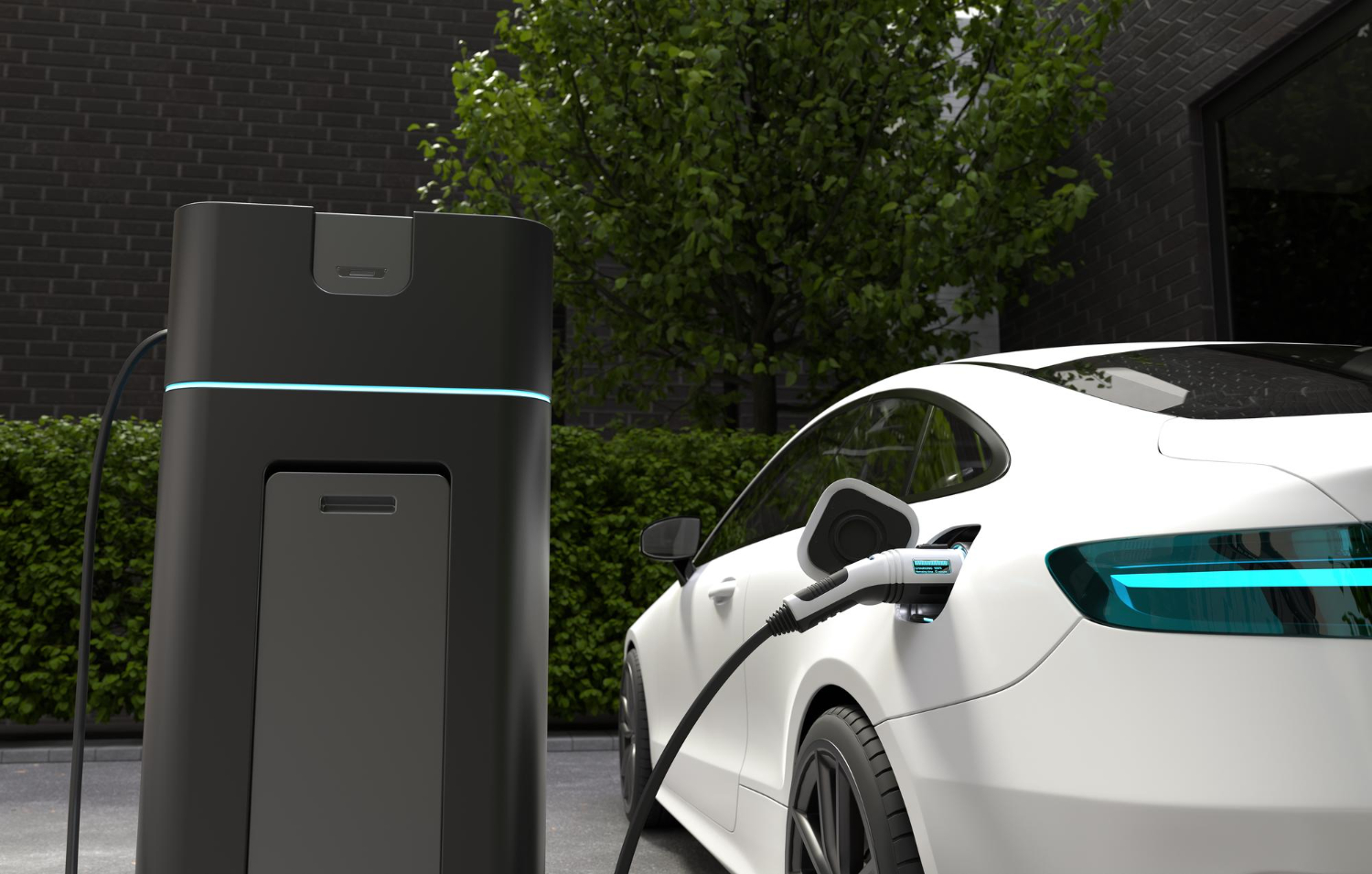
The Cybercab’s 48 kWh battery is significantly smaller than consumer Tesla models, enabling rapid charge cycles and lower per-mile energy costs. However, charging infrastructure becomes the operational linchpin of any fleet deployment.
Best practice recommendations from early Tesla pilot operators suggest maintaining a charging ratio of at least 1 charger per 3-4 vehicles. A 50-vehicle fleet requires 12 to 17 charging stations to ensure vehicles don’t spend idle time waiting for a charge. Fast-charging capability accelerates throughput: vehicles can reach 80% charge in approximately 20 to 30 minutes, enabling multiple charge cycles throughout a 24-hour period.
Maintenance costs remain an unknown variable. Tesla claims less than $0.30 per mile operating cost, but fleet operators should expect the unknown: software updates that require vehicle downtime, sensor calibration needs, battery management protocols, and tire rotations. Tesla’s official maintenance schedule specifies service every 50,000 km or annually, whichever comes first, at approximately $350 per service. Scale that across a fleet and maintenance becomes a material line item in annual P&L projections.
Revenue Model: The Utilization Challenge
Cybercab revenue depends on utilization rate. The vehicle sitting idle generates zero revenue. Fleet operators therefore need to maximize hours-in-service per vehicle per day. Current Waymo benchmarks (the only comparable operating service) show mature robotaxi fleets achieving 12 to 16 hours of productive passenger-carrying time per vehicle per 24-hour period. Idle time accounts for charging, maintenance, rebalancing, and demand variability.
Tesla has indicated dynamic pricing models (surge-based pricing during peak demand). Early Austin test rides have shown fares in the $12 to $19.58 range for typical urban trips. If we assume average trip revenue of $15 and average trip duration of 15 minutes, a vehicle could complete 12 to 16 trips during a 14-hour operating window, generating $180 to $240 daily gross revenue. At 350 operating days annually, that approximates $63,000 to $84,000 gross annual revenue per vehicle.
Subtract operating costs (charging, maintenance, insurance, platform licensing, vehicle depreciation), and net margins remain uncertain. Industry estimates suggest robotaxi operators should target 20 to 35% net margins to justify the capital investment and operational complexity. Whether Cybercab will deliver those margins depends entirely on demand, service reliability, and Tesla’s willingness to share platform economics fairly with external operators.
Risk: The Regulatory Wildcard
Any Cybercab fleet owner must acknowledge the elephant in the room: NHTSA’s ongoing investigation. On September 4th, just one day after launch, federal regulators opened an audit query into whether Tesla’s Cybercab actually meets existing Federal Motor Vehicle Safety Standards. An unfavorable determination could require retrofitting steering wheels and controls on all existing vehicles or, in a worst-case scenario, halting commercial deployment entirely.
The investigation timeline remains unclear. Industry estimates suggest a decision could arrive in late Q4 2026 or early Q1 2027. Fleet operators considering Cybercab investment should factor in regulatory risk: approval is not guaranteed, deployment timelines may extend, and capital requirements could increase if modifications are mandated.
Additionally, liability frameworks remain murky. In the event of a collision or passenger injury, who bears responsibility: the vehicle manufacturer, the fleet operator, or both? Insurance premiums for autonomous vehicle fleets remain experimental. Operators should budget for higher-than-expected insurance costs and demand clear liability frameworks before deploying capital.
Competitive Landscape: You’re Not Alone
Waymo operates 4,000 robotaxis across multiple U.S. cities, with proven operational infrastructure and no regulatory uncertainties. Zoox (Amazon subsidiary) is ramping testing with a custom-built platform and Amazon’s logistics integration. Cruise (General Motors) faces regulatory setbacks but remains in development. Any Cybercab fleet operator enters a competitive market against entrenched players with larger capital reserves and existing operational expertise.
Tesla’s advantage is unit cost: a $30,000 Cybercab undercuts Waymo’s per-vehicle economics substantially. But cost advantage alone doesn’t guarantee market dominance. Waymo’s superior autonomous capabilities, larger fleet, and proven service reliability create formidable competitive barriers for new market entrants.
The Realistic Outlook for Fleet Owners
Cybercab fleet ownership represents a genuine business opportunity for operators willing to accept high capital requirements, significant operational complexity, and regulatory uncertainty. The economics can work, but only if:
- NHTSA approval arrives without requiring major vehicle modifications
- Tesla’s autonomous system proves reliable at scale, with minimal service calls and passenger incidents
- Demand for autonomous robotaxi service remains robust in your deployment cities
- Tesla’s platform economics offer fair revenue sharing for external operators
- You have operational expertise managing fleet logistics and customer service
For sophisticated fleet operators with relevant logistics experience, capital availability, and risk tolerance, Cybercab ownership could be a transformative opportunity. For casual investors seeking passive income, the reality will likely prove disappointing.
Next Steps
If you’re evaluating Cybercab fleet ownership, the time to act is now. Tesla’s September 3rd interest form represents the first formal pathway to direct fleet purchasing. Early movers will gain city allocation advantages and first-mover operational insights before the market saturates. However, demand meticulous due diligence: secure binding commitments from Tesla on regulatory outcomes, pricing, platform economics, and support timelines before committing capital.
The Cybercab represents Tesla’s bet that autonomous vehicles can be profitably deployed at scale through cost advantage and operational simplicity. Whether that bet succeeds depends as much on regulatory approval and autonomous system reliability as on engineering excellence. Fleet operators making this bet should proceed with eyes wide open.
Have questions about Cybercab fleet deployment economics? Interested in exploring ownership models for your business? Contact us at josh@autoautous.com or call 919-389-8290 to discuss your autonomous vehicle strategy.