The Real Story Behind Tesla’s Cybercab Ramp

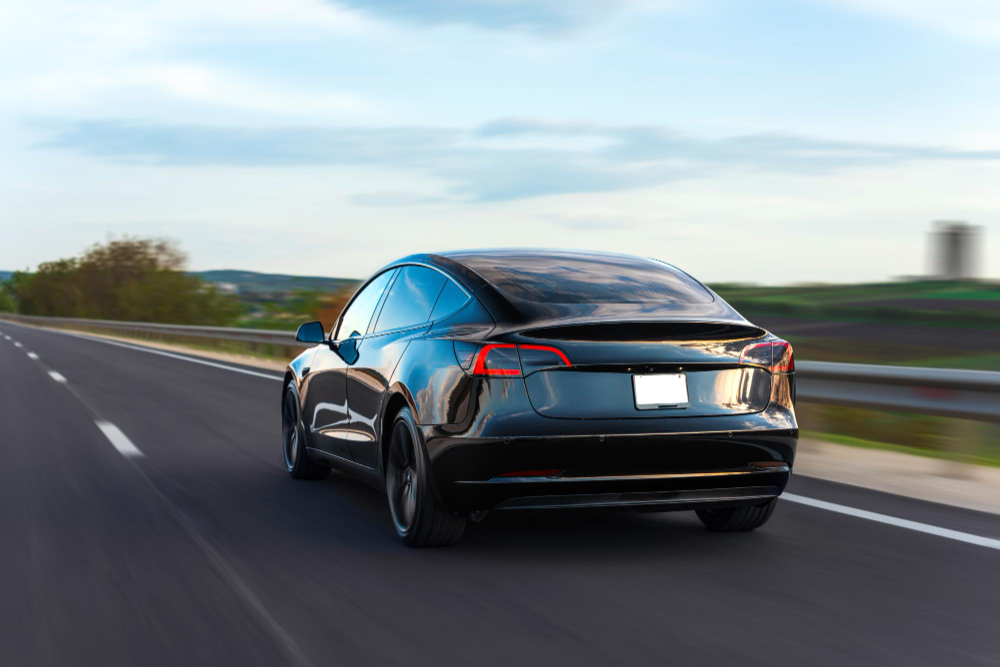
One month after public launch, Tesla’s Cybercab robotaxi service in Austin has grown from fewer than 40 vehicles to over 300. That’s an 8x expansion in 30 days. On October 10, Ashok Elluswamy, Tesla’s head of AI software, publicly named Dallas as the next city for Cybercab commercial operations. For fleet operators and investors evaluating robotaxi economics, this acceleration demands a closer look at what’s actually happening on the ground.
Fleet Scaling vs. Active Operations
Tesla’s 300+ figure is impressive numerically, but context matters. The company registered 319 Cybercabs in Texas as of mid-October, yet community-tracking sites report only 105 of those actively serving rides in Austin. The gap between registered and operational vehicles reflects regulatory constraints and real-world testing demands. Every vehicle requires monitoring, validation, and fallback systems during the NHTSA audit period.
What matters for fleet operators: Tesla is manufacturing Cybercabs faster than regulators can formally approve them. This speed has two implications. First, it signals Tesla’s confidence in the technology and manufacturing process. Second, it means regulatory approval will constrain deployment velocity. When NHTSA answers are due October 30 (nine days from now), Tesla’s regulatory landscape will clarify.
Deployment Timeline: Austin to Dallas and Beyond
Tesla first offered public Cybercab rides in Austin on September 4, 2026. By September 21, 37 vehicles were in operation. By September 25, that jumped to 125. By October 10, Tesla announced 300+. The trajectory is aggressive but uneven, suggesting Tesla is adding vehicles in batches as software validation completes.
Dallas represents the real test. Unlike Austin, where Tesla has intimate knowledge of neighborhoods, road conditions, and regulatory relationships, Dallas is different terrain. Ashok Elluswamy’s comment “Dallas soon” sets no specific timeline, but analysts expect an announcement during Tesla’s Q3 earnings call on October 21. If Tesla names a Dallas launch date, that will be the key data point for evaluating deployment velocity.
Beyond Dallas, previous Tesla statements mention Bay Area, Arizona, and European expansion as future possibilities. None have timelines. The NHTSA investigation will determine how aggressively Tesla can expand beyond Texas.
The NHTSA Question and What Happens Next
The National Highway Traffic Safety Administration opened a formal audit query on September 4, the same day Cybercabs went public. The agency demanded sworn answers to questions about how Tesla certified a steering-wheel-free, pedal-free vehicle against federal safety standards. Responses are due October 30.
Three possible outcomes emerge:
1. NHTSA Accepts Tesla’s Self-Certification
Tesla’s compliance framework holds, and Cybercabs can deploy without retrofits or formal exemptions. This scenario favors aggressive expansion and lower-cost deployment.
2. NHTSA Requires Modifications
The agency demands retrofitted steering wheels or pedals on all vehicles until formal rulemaking on steering-wheel-free vehicles concludes. This adds engineering cost but maintains deployment momentum in Texas.
3. NHTSA Rejects the Approach
Tesla must file for formal exemptions under 49 CFR Part 555, adding 36 months to regulatory review. This delays deployment and gives competitors time to scale.
For fleet operators, the October 30 NHTSA response is the most important near-term regulatory event. Tesla reports earnings on October 21, just nine days before answers are due. That timing is intentional: Tesla wants to guide investor expectations before regulatory uncertainty peaks.
Competitive Positioning: What Waymo Is Doing
While Tesla scales Austin to 300 Cybercabs, Waymo is operating approximately 4,000 vehicles globally, with 1,102+ in Texas alone. Waymo’s advantage: proven operational reliability and no regulatory friction (modified existing vehicles retain standard controls). Waymo’s disadvantage: higher per-vehicle cost and longer deployment timelines to new cities.
Tesla’s bet is that cost advantage matters. At a claimed $0.30 per mile operating cost, Cybercabs can undercut Waymo’s economics even with a smaller deployed fleet. If Tesla executes the Dallas expansion and maintains fleet utilization above 30% during daylight hours, the unit economics become attractive for fleet operators considering robotaxi investment.
What This Means for Your Robotaxi Calculations
If you’re evaluating Cybercab fleet participation, here’s the framework:
Bullish Case (Next 6 Months): NHTSA accepts self-certification. Dallas launches by November. Fleet expands to 1,000+ vehicles across 34 Texas cities. Regulatory precedent enables faster expansion. Utilization rates climb as network effects kick in.
Neutral Case (Most Likely): NHTSA requires conditional approvals or minor modifications. Dallas launches Q1 2027. Fleet hits 500600 vehicles by end of 2026. Deployment paces competitors but doesn’t dominate.
Bearish Case (Downside): NHTSA demands formal exemptions. Fleet growth stalls. Competitors gain market share. Cybercab deployment timeline extends to 2027/2028 while regulatory process completes.
The 300+ vehicle milestone is genuine progress, but it’s deployment velocity, not profitability. Watch October 30 for the regulatory answer. Watch October 21 for Tesla’s Dallas timeline. Those two dates define Cybercab economics for the next 12 months.
Next Steps
If you’re exploring Cybercab fleet partnerships, now is the time to ask hard questions:
- What happens if NHTSA requires steering wheel retrofits?
- What is Tesla’s unit cost and margin profile?
- How will revenue be split between Tesla and fleet operators?
- What are utilization projections for Year 1 in a new city?
- What insurance and liability structures protect fleet owners?
Tesla’s acceleration is real. The path forward is still regulatory. Get the right answers before committing capital.
Questions about your robotaxi strategy? Contact us at josh@autoautous.com or call 919-389-8290. Auto Auto helps fleet operators and investors cut through the hype and build defensible robotaxi economics.