The Production Ramp Is Real: What Giga Texas Is Building Right Now
In October 2026, Tesla’s Cybercab production program crossed an important threshold that few investors noticed. Texas vehicle registration records showed 319 registered Cybercabs in the state, up from 169 just weeks earlier. That’s an 89 percent increase in registered units, and it tells a story that matters far more than typical quarterly production metrics: Tesla is manufacturing these vehicles at scale, not in dozens, but in hundreds.
From Pilot to Production: The October Inflection
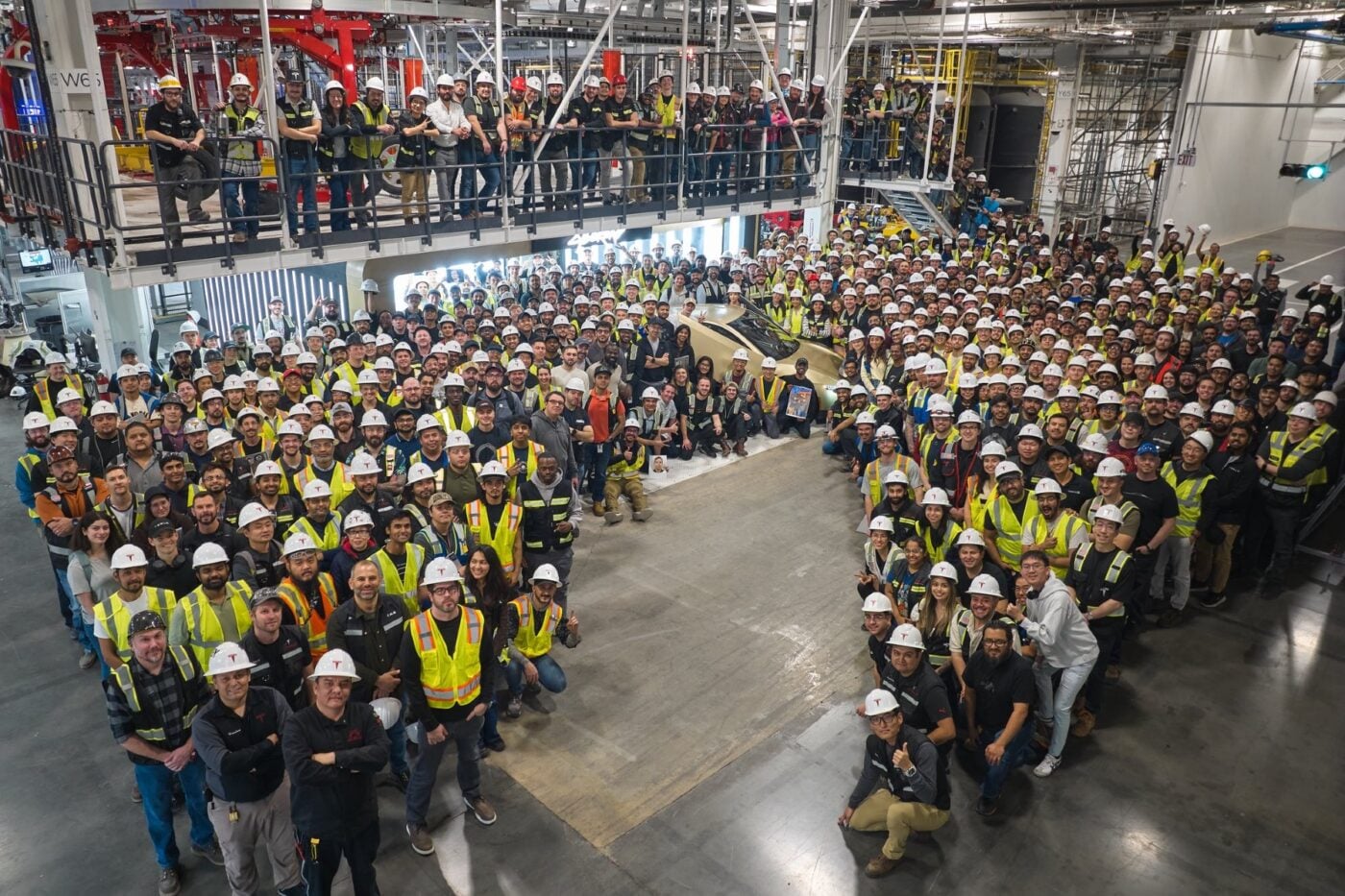
The X Takeover event in early October 2026 did something no official Tesla press release could achieve: it showed investors and fleet operators where the Cybercab program actually stands. Over three days (October 8-12), attendees toured Giga Texas factory floors, rode in Cybercabs across live Austin city streets, and witnessed the infrastructure supporting autonomous vehicle production at scale.
The factory access was the real headline. VIP ticket holders walked through production areas where Model Y and Cybertruck manufacturing runs alongside early Optimus robot fabrication. Tesla opened its Texas facility to hundreds of visitors, signaling operational confidence in the program. You don’t grant factory floor access to a prototype project. You grant it to a production program with something to prove and something to show.
Why Unit Registration Numbers Matter More Than You Think
The jump from 169 to 319 registered Cybercabs in weeks is not a marketing number. It’s a regulatory filing. Texas maintains detailed DMV records, and each registered vehicle represents either a test unit, a pilot fleet vehicle, or a pre-delivery unit awaiting regulatory clearance. A near doubling in registered units, confirmed by Texas records, indicates that Tesla is:
Manufacturing at volume. Series production started in April 2026. By October, six months of manufacturing cadence had produced at least 150 additional units beyond the base fleet.
Preparing for deployment. The gap between registered units and actively operating vehicles (Tesla reported only 8 in active revenue service in Austin as of mid-October) suggests a strategic reserve. Tesla is building inventory for the moment regulatory approval or commercial expansion permits wider rollout.
Testing in real conditions. During the October event, attendees confirmed Cybercabs operating in wet weather conditions, a historically challenging scenario for autonomous systems. Seeing FSD-based autonomy operating in rain and low-visibility environments provides data points that Tesla needs for regulatory submissions and fleet operator confidence.
The Unboxed Factory Challenge Meets Reality
Tesla’s manufacturing strategy for the Cybercab relies on the company’s proprietary “Unboxed” process: assembling modular components in parallel production zones, then integrating them at final assembly. This approach promises cost reduction, space efficiency, and faster throughput compared to linear automotive assembly.
But Elon Musk himself warned in early 2026 that production under Unboxed would proceed “agonisingly slowly” during the learning phase. October’s registered vehicle numbers suggest that learning phase is progressing. Production is ramping, but not at hypergrowth rates. Tesla is balancing speed against the need to perfect a manufacturing process that has never been deployed at scale in automotive production.
For fleet operators evaluating Cybercab purchases, this matters. Tesla’s target of sub-$30,000 unit cost depends on Unboxed working. If production remains below 500 units per month through Q1 2027, per-unit manufacturing cost stays high, cutting into the economics that make Cybercab fleets competitive against Waymo’s established but higher-cost operations.
The Regulatory Window: Production Ahead of Approval
Tesla is in an unusual position: manufacturing hundreds of units while the National Highway Traffic Safety Administration investigates whether the Cybercab meets Federal Motor Vehicle Safety Standards. The company registered 300+ vehicles before final regulatory clearance, betting that NHTSA approval or formal exemptions will arrive before production constrains supply.
This strategy works only if regulatory timelines cooperate. If NHTSA demands retrofits, steering wheel installations, or substantial design changes, Tesla’s inventory becomes partially obsolete. The company is manufacturing at risk, which is either bold strategy or reckless betting depending on how the investigation concludes.
What October’s Numbers Tell Fleet Operators
If you’re considering Cybercab fleet investment, here’s what you should know: Tesla is serious about production. The company is not running a one-off prototype; it’s ramping a manufacturing process designed to hit targets of thousands of units annually. The jump to 319 registered vehicles suggests quarterly production rates in the 75-150 unit range, a pace consistent with factory floor optimization for a complex autonomous system.
However, the gap between registered units (319) and actively operating revenue-generating vehicles (8 in Austin) tells you that deployment remains heavily constrained by factors beyond manufacturing: regulatory approval, software validation, fleet operator interest, and infrastructure readiness. You can build production capacity. You cannot manufacture regulatory approval.
Timeline Expectations for Q4 2026 and Beyond
Based on current production trajectory, expect:
Q4 2026: Continued production ramp to 400-500 total registered units. First customer deliveries possible if regulatory approvals advance. NHTSA investigation likely concludes with either approval, conditional approval, or requirements for modifications.
Q1 2027: Expansion beyond Austin likely contingent on NHTSA ruling. If approved, rapid deployment to multiple Texas cities and expansion to other states. If restricted, continued limited operations and potential manufacturing slowdown.
Scaling path: Tesla’s success depends on proving reliable autonomous operation across diverse environments, weather conditions, and traffic patterns. The more data from the 8 active Austin vehicles, the stronger Tesla’s case for regulatory expansion.
The Bottom Line: Production Is Real, Deployment Remains Uncertain
Tesla has solved the engineering problem of manufacturing steering-wheel-free robotaxis. October’s factory tours and registration data prove that Giga Texas is building production-ready units, not prototypes. The remaining challenge is proving that these vehicles can operate safely and reliably at scale in real-world conditions, securing regulatory approval for wider deployment, and convincing fleet operators that Cybercab economics beat established competitors.
For investors: This is no longer a “will they build it?” question. It’s a “how fast will they scale, and will regulators permit it?” question. For fleet operators: The opportunity is real, but deployment timelines remain constrained by regulatory factors beyond Tesla’s control.
Want to evaluate whether Cybercab fleets make economic sense for your operation? We’ve helped dozens of fleet operators model robotaxi ROI under different regulatory scenarios and deployment timelines. Contact josh@autoautous.com or call 919-389-8290 to discuss your business case with a robotaxi specialist.
Auto Auto is a trusted advisor for small to medium-sized businesses evaluating autonomous vehicle deployment, robotaxi partnerships, and fleet modernization strategies.