From 45 to 300+ Cybercabs in 30 Days: The Deployment Reality Behind the Headlines

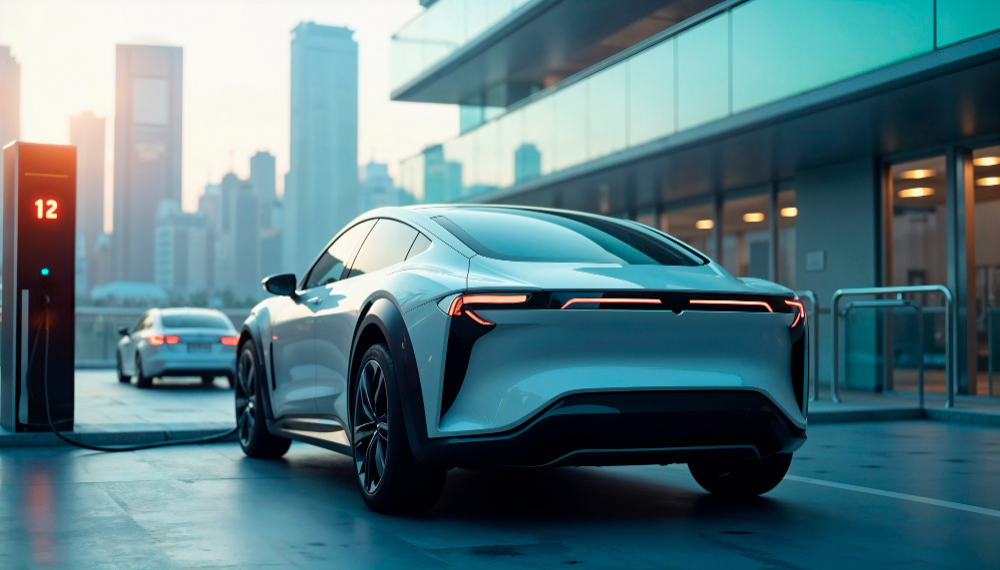
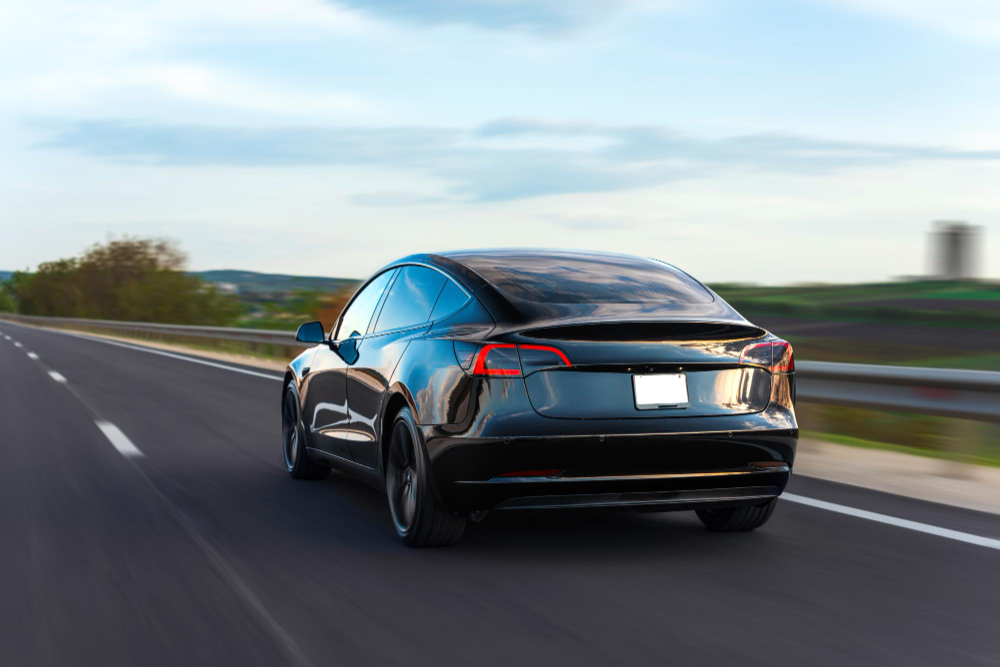
On October 10, 2026, Tesla announced a milestone that underscore the company’s commitment to robotaxi deployment: more than 300 Cybercabs are now operating in Austin, Texas. This represents an eightfold increase from the 38 vehicles that launched on September 3. For fleet operators and investors evaluating autonomous vehicle economics, this rapid scaling demands a clear-eyed assessment of what it means for deployment timelines and operational feasibility.
The Scaling Story: 45 to 300+ in Six Weeks
The numbers are striking. On launch day (September 3), Texas vehicle registration records showed 45 Cybercabs authorized for commercial service. By early October, that number reached 169. By October 10, Tesla announced 300+. That trajectory, if sustained, would place Tesla’s Austin fleet in the thousands by end of 2026.
But deployment numbers tell only part of the story. Real-world rider feedback from Austin reveals the operational friction that will define whether this rapid scaling can translate into profitable, scalable robotaxi operations:
- Wait times remain substantial: Early deployments saw wait times of 45+ minutes during peak demand. While this has improved as supply has grown, wait times still dwarf Waymo’s sub-10-minute averages.
- Pickup and drop-off accuracy issues persist: Multiple riders report being dropped at incorrect locations, suggesting geofencing or navigation inconsistencies in real-world operation.
- Mechanical reliability concerns: Butterfly door failures and trunk closing issues have been documented, indicating hardware maturity gaps in high-cycle operations.
- Pricing pressure: Early Cybercab fares ($12 to $19.58) exceed Waymo/Uber equivalents ($7 to $12.96), making the value proposition unclear for price-sensitive riders.
Fleet operators considering Cybercab investment must factor in that rapid fleet growth does not automatically translate to profitable operations when service quality and utilization economics remain under development.
Expansion Timeline: Dallas Is Next (Timeline Unclear)
Ashok Elluswamy, Tesla’s Vice President of AI Software, has indicated that Dallas is the next deployment city. However, Tesla has not announced an official launch date or deployment plan. This mirrors the company’s historical pattern: ambitious technology paired with vague commercialization timelines.
The regulatory pathway for Dallas differs from Austin. Texas state regulations favor autonomous vehicle deployment, but individual cities maintain oversight authority. Tesla will need to navigate Austin city council requirements, emergency responder coordination, and public safety certifications before expanding to Dallas, Houston, or San Antonio.
Compare this to Waymo’s approach: the company has expanded to 15 U.S. markets with 15 more in active planning, and is completing 500,000+ paid rides per week globally. Waymo’s existing vehicle modifications (Chrysler Pacificas, Jaguar I-Pace models) already meet federal safety standards without exemptions, eliminating regulatory delays that Tesla faces.
The Regulatory Headwind: NHTSA Investigation Remains Unresolved
Tesla’s Cybercab fleet expansion occurs under federal investigation. The National Highway Traffic Safety Administration initiated an audit query (AQ26002) on September 4, examining whether the steering-wheel-free Cybercab meets Federal Motor Vehicle Safety Standards. Tesla originally faced a September 30 response deadline but obtained an extension. The investigation’s outcome, expected in Q4 2026 or early 2027, could force Tesla to retrofit steering wheels on all Cybercabs or halt operations entirely.
This regulatory uncertainty creates a fundamental timing problem: Tesla is manufacturing and deploying vehicles at scale before receiving regulatory clearance to operate them. This approach has worked for software-driven products (where iteration is low-cost) but creates substantial risk for hardware-dependent robotaxi operations.
Fleet operators should not commit capital to Cybercab partnerships until the NHTSA investigation concludes. Regulatory remediation could require hardware retrofits that eliminate the Cybercab’s cost advantage over Waymo vehicles.
What Fleet Operators Should Actually Expect
Tesla’s rapid Austin scaling is operationally impressive but masking deeper questions about deployment viability:
- Utilization economics remain opaque: Tesla claims sub-$0.30/mile operating costs, but has not disclosed actual utilization rates, breakdown of maintenance costs, or driver availability in Austin. Unit economics at 300 vehicles are not yet public.
- Regulatory approval is not guaranteed: NHTSA could mandate steering wheel retrofits within weeks. Any Cybercab partnership should include escape clauses triggered by regulatory changes.
- Expansion velocity may slow: Moving from geofenced Austin deployment to multi-city operations with different regulatory environments will encounter friction that doesn’t appear in single-city scaling.
- Competitive pressure is intensifying: Waymo’s demonstrated operational maturity (270 million autonomous miles, 500k+ weekly rides) gives customers confidence in reliability. Tesla’s deployment is newer and unproven at scale.
The Path Forward for Investors
The Cybercab fleet milestone is real progress. Tesla is demonstrating hardware production capacity and operational deployment capability that seemed theoretical 18 months ago. The company is accumulating operational miles and refining autonomous capability in real-world conditions.
However, deployment velocity does not equal commercial viability. The questions that matter for robotaxi profitability remain unanswered: Can Tesla achieve meaningful ride-hailing volume at fares that undercut human-driven services? Can the company maintain vehicle reliability and service quality as fleet size grows? Will NHTSA force costly regulatory remediation?
For fleet operators considering Cybercab partnerships, the prudent approach is to wait for regulatory clarity and to demand transparency on unit economics before committing capital. The Austin milestone is a data point showing Tesla’s technical competence. It is not yet proof of commercial sustainability.
Questions for Tesla’s Deployment Strategy
As the Cybercab fleet approaches 500 vehicles and eyes Dallas expansion, several critical questions remain unresolved:
- What is the actual breakdown of capital costs per vehicle deployed (hardware + charging infrastructure + software licensing)?
- What is the current utilization rate (paid ride hours per vehicle per day) in Austin, and how does this compare to human-driven Uber/Lyft benchmarks?
- What is the breakdown of operating costs (electricity, maintenance, data processing, customer support, and liability insurance)?
- When will NHTSA issue its determination on Cybercab’s steering-wheel-free design, and what is Tesla’s contingency plan if retrofits are required?
- What is the expected timeline for Dallas launch, and what are the specific regulatory hurdles Tesla must clear city-by-city?
The answers to these questions will determine whether Cybercab deployment represents a genuine transformation of Tesla’s business model or an impressive technical demonstration that struggles to achieve profitable scale.
Contact Auto Auto if you’re evaluating autonomous vehicle deployment for your fleet operations. We help businesses assess robotaxi unit economics, regulatory risk, and competitive positioning to make informed capital allocation decisions. Reach Josh at josh@autoautous.com or call 919-389-8290 to discuss your robotaxi strategy.