The Regulatory Pressure Mounts
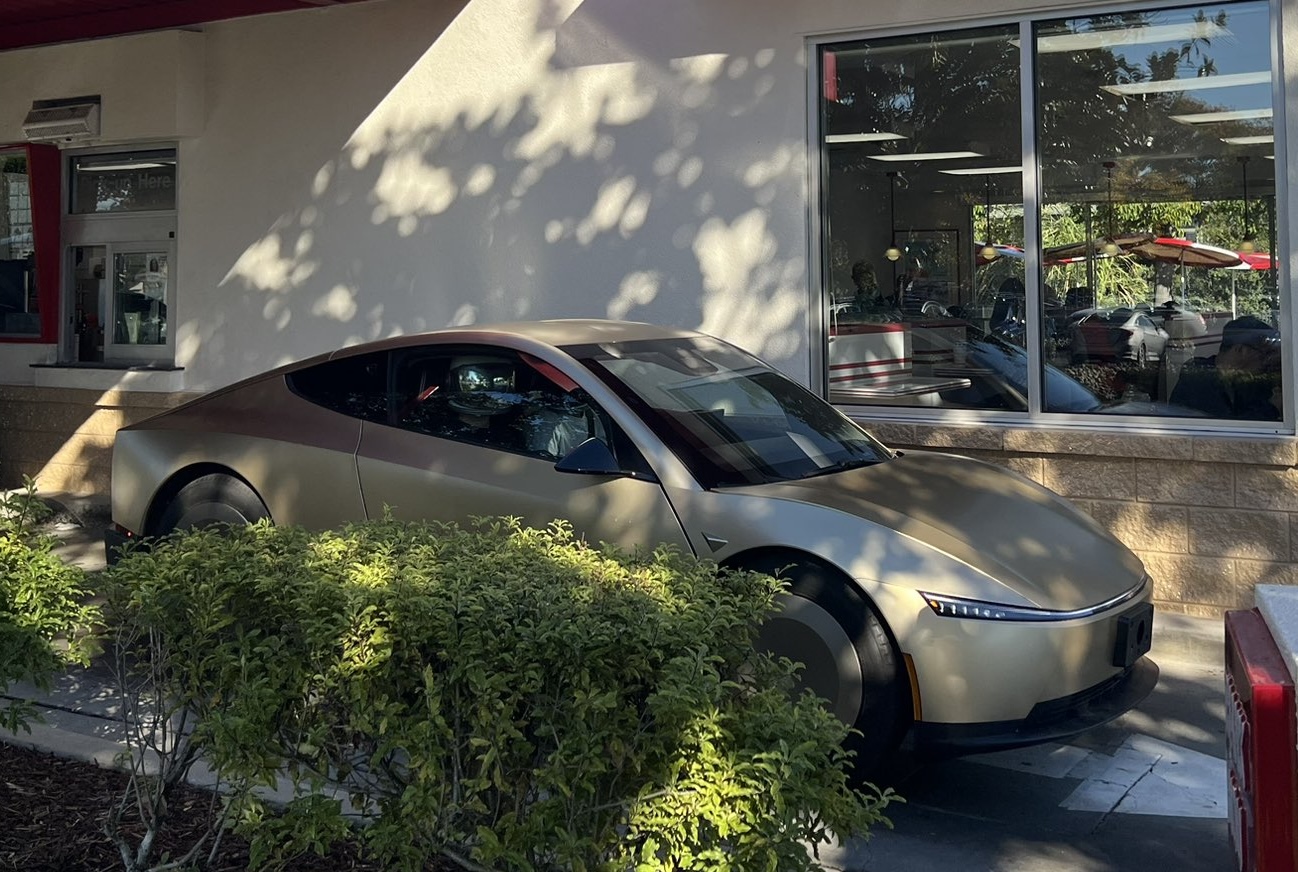
Tesla’s Cybercab entered its second month of public operation in Austin amid a third federal investigation from the National Highway Traffic Safety Administration. On October 12, 2026, NHTSA opened a defect petition investigation into allegations that Tesla’s robotaxis have been speeding through active school zones. The move marks the agency’s most operationally focused challenge to Tesla’s autonomous fleet to date—escalating from compliance questions and documentation demands to real-world safety allegations with profound regulatory implications.
Three Investigations, Five Weeks: The Pattern Emerges
NHTSA’s investigation sequence reveals a methodical regulatory approach that is neither rubber-stamping Tesla’s claims nor blocking the company outright. The three actions are:
1. Audit Query (September 4, 2026): NHTSA initiated a formal Audit Query (AQ26002) questioning Tesla’s self-certification that the Cybercab meets all Federal Motor Vehicle Safety Standards, despite lacking steering wheels, brake pedals, and conventional human controls.
2. Special Order (Late September 2026): The agency escalated to a Special Order demanding Tesla provide comprehensive documentation of how it certified Cybercab safety, specifically examining technical data and engineering processes underlying the company’s claim that certain FMVSS requirements are inapplicable to a steering-wheel-free vehicle.
3. Defect Petition Investigation (October 12, 2026): NHTSA opened an investigation into public complaints that Cybercabs and Tesla Model Y robotaxis are systematically exceeding school zone speed limits while operating under autonomous control. This third action is qualitatively different from the first two. Rather than questioning compliance procedures or certification methodology, NHTSA is now investigating whether Tesla’s autonomous system is operationally failing in real-world conditions.
Why School Zones Matter More Than You Think
School zone safety is not a regulatory edge case. It is a politically potent issue with powerful public support for strict enforcement. If NHTSA determines that Tesla’s autonomous system is systematically disregarding school zone speed limits, the agency will have grounds for fleet suspension independent of the ongoing certification debate. A school zone safety violation could be the factual record NHTSA needs to pursue enforcement action without waiting for formal rulemaking to clarify steering-wheel standards or safety equivalence.
This transforms the regulatory calculus. Certification debates can stretch across years with technical back-and-forth. School zone speeding allegations, if substantiated, could trigger rapid agency response. Parents and elected officials have shown they demand action on school safety. NHTSA operates under public and political scrutiny on this issue more acutely than on abstract questions of autonomous vehicle standards.
NHTSA’s Strategy: Innovation Without Abdication
The investigation sequence suggests NHTSA’s governing principle is this: the agency supports innovation and autonomous vehicle deployment, but only through formal regulatory channels. Tesla’s decision to self-certify compliance rather than file for formal exemptions (as Zoox did in 2026) has drawn escalating scrutiny. NHTSA appears intent on either securing Tesla’s compliance with existing processes or building a compelling factual record for enforcement action.
NHTSA Administrator Jonathan Morrison stated: The agency is balancing innovation with safety oversight to allow the United States to maintain its global leadership in AV innovation. However, balance requires Tesla to operate within legal bounds. The defect petition investigation signals that NHTSA’s definition of balanced innovation does not include fleet-wide operational failures in school zone compliance.
What This Means for Fleet Operators and Investors
If you are considering Cybercab fleet ownership, these three investigations introduce material regulatory risk to your investment thesis. Here is what to factor in:
Timeline Uncertainty: Any restriction on fleet operations, operational changes required by NHTSA, or retrofit mandates could delay or eliminate your revenue window before competing services achieve scale. NHTSA timelines for defect investigations and enforcement decisions are unpredictable and often measured in quarters, not weeks.
Operational Changes: If NHTSA determines that Cybercab autonomous systems are failing school zone safety requirements, Tesla may be required to implement software updates, geofencing restrictions, or fleet suspension in affected areas. These changes reduce revenue-generating opportunities and increase operational complexity.
Liability Exposure: The defect investigation itself does not establish that Tesla is at fault, but if future NHTSA findings do establish operational failures in school zone compliance, the liability exposure for fleet operators who purchased vehicles during this period could be substantial. Consumers and municipalities may pursue action against fleet operators, not just Tesla.
Competitive Advantage Erosion: Waymo’s fully operational fleet of 1,102+ vehicles in Texas operates without these regulatory headwinds. If Cybercab deployment is restricted while Waymo expands, the competitive positioning advantage Tesla promised—ultra-low cost, rapid scaling—vanishes. You may be purchasing an asset that cannot compete operationally or legally.
The Regulatory Road Ahead
NHTSA has begun formal rulemaking to modernize safety standards for autonomous vehicles, including removing steering wheel requirements, updating brake pedal standards, and permitting camera-based alternatives to mirrors. These updates are expected to conclude in coming months, though no specific dates have been announced.
Until new rules are finalized, existing Federal Motor Vehicle Safety Standards remain in force. Tesla’s strategy of self-certifying compliance ahead of modernized standards is now being tested by the agency. The outcome will establish precedent for how aggressively other automakers can push the boundaries of existing safety standards—or whether formal exemption processes are non-negotiable.
Bottom Line: Caution Over Optimism
The Cybercab remains a genuine long-term opportunity for fleet operators. Tesla’s ultra-low manufacturing costs and Giga Texas production capacity offer real advantages if regulatory approval clears and autonomous capability proves reliable at scale. However, the escalating federal investigations over five weeks signal that the path from prototype to profitable commercial operation is less certain than Tesla’s public statements suggest.
Fleet operators and investors should demand clarity on:
- Specific NHTSA timeline for completing audit query and defect investigations
- Technical details on school zone speed limit compliance (what is Tesla’s architecture for respecting posted speed limits?)
- Liability allocation in Cybercab purchase agreements (who bears risk if operational failures emerge?)
- Contingency plans if NHTSA restricts deployment or mandates retrofits during your investment horizon
Regulatory clarity is worth delaying your purchase for. Deploying capital into assets under active federal investigation carries risks that outweigh near-term revenue opportunities.
Have questions about Cybercab fleet operations, regulatory risk, or autonomous vehicle business models? Auto Auto works with fleet operators and investors to evaluate emerging robotaxi opportunities. Contact josh@autoautous.com or call 919-389-8290 to discuss your strategy.